Matchday Diary
A Premier League Weekend
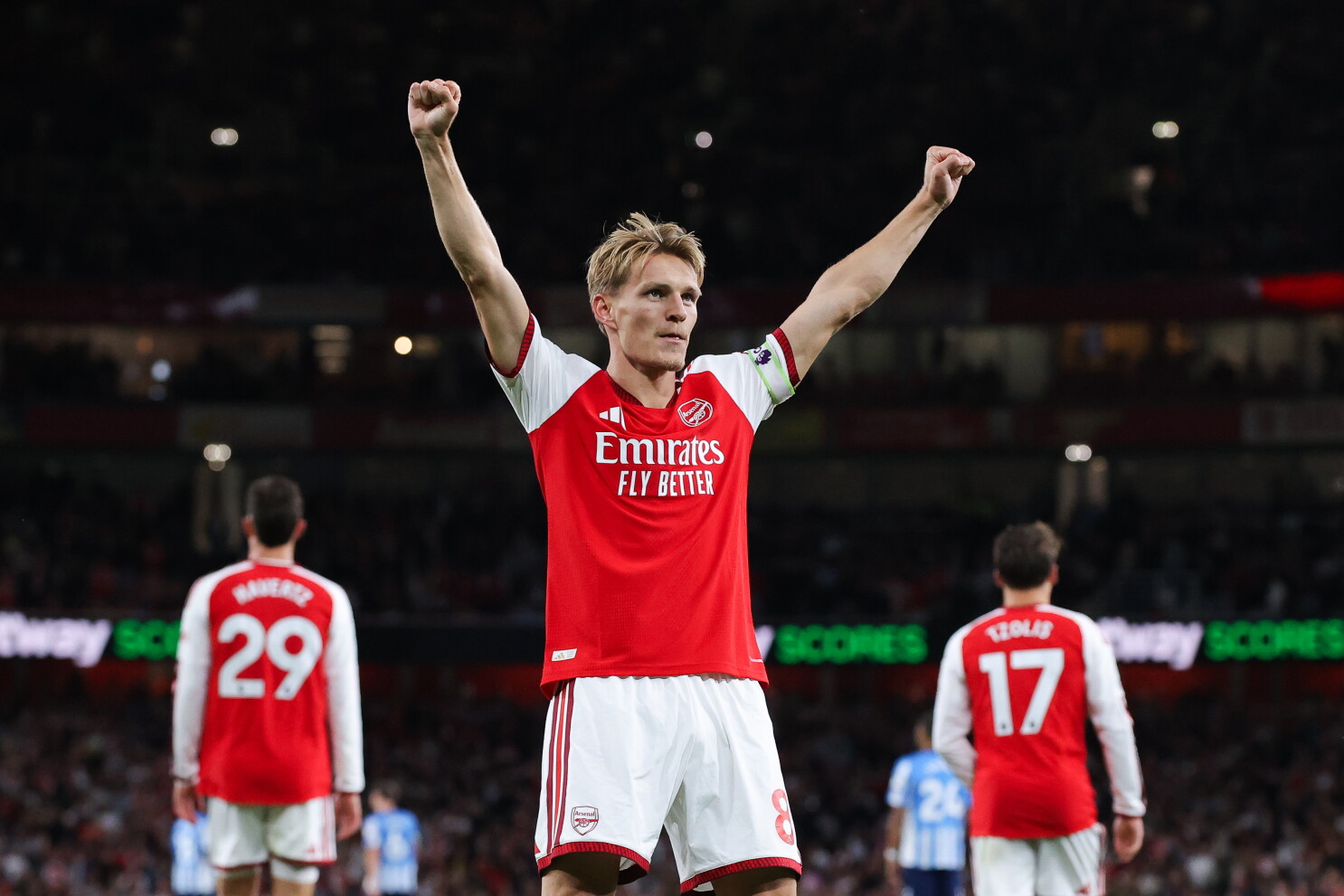
The opening days of the Premier League are sunlight piercing through gray clouds for those of us simple enough to need it.
Continue reading
Early August is sports no man's land. The MLB is in the very crotch of its thick, viscous, 162-game season. The NBA's major transactions have occurred and been pored over. NFL training camp and pre-season are dull, besides the stories about fights in intra-squad practices. Worse, the content I desire and require—Simon Jordan, Bill Simmons, Colin Cowherd—is in short supply.
So why, on Thursday, the day before Arsenal were to open the season, did I find such a supreme lack of excitement, fear, anger, or relief within? And why didn't release from these weights of expectation make me feel lighter?
After finishing World Cup coverage, I felt sun-poisoned. Football all the time. Then I started this website. Football even more of the time. It seems very human to no longer desire what you have access to. But calling something human is another way of explaining a biological imperative to an illogical disposition.
I was meant to meet Cesca at the City Winery on Pier 57 to watch Bebel Gilberto's concert at 8:30, and then hang out after. Hearing about Bebel's egomaniacal yet sort of feckless tirades interested me on an interpersonal level, but the singing I felt ambivalent about.
Taking the L to 14/8 and a ten-minute walk. Fine. Or that's the writing trick, anyway: I'm lightly misleading you. It wasn't fine. The rain was going apeshit and the train wasn't coming. My yellow rain jacket sat folded across my forearm. It was way too hot inside the station to keep layers attached and I was already sweating profusely.
After 15 minutes, I checked the MTA website. Delays. I scanned my phone for other options. Taking a series of buses would take an hour-twenty. An Uber fifty minutes, and $85. Walking fifteen minutes through the rain to the Lorimer MJZ, transferring at Delancey-Essex, and taking the C to 14/8, forty-five minutes. From where I was, the Montrose L, were the train to come, it would be twenty-five.
It made sense to wait. So I waited. I waited and I scrolled my phone. Twitter, Instagram, Facebook, Letterboxd, MDC Discord. Around and around and around.
Then I wondered about why the train might be stopped. Was it the rain? Did someone kill themselves? Every time someone kills themself on or using the train, there's a delay. Sometimes it's really quick. Which is harder to deal with, when someone jumps on the tracks, or when someone jumps in front of the train? What about when someone slips between the side of the train and the small gap from the platform? Or even inside the train? The MTA and NYPD must have detailed procedures to deal with stuff like this because it happens so regularly.
Maybe it's only right, I thought to myself. Maybe if you're hurting so badly that you want to die and do die, we should all be delayed so we can consider the severity. Google says there are about 100 suicides by train every year in New York. So when there's a delay it's probably not because of a suicide. But I always assume it is.
Regardless, everyone fucking hates waiting for the train. The bodies, the heat, the frustration. It feels third world.
I arrived almost an hour late. Once inside, Cesca found me and sat me down in the seats parallel to the side of the stage. It was a decent enough view. There were lots of tasks that needed doing, so I watched maybe half of Bebel's last thirty minutes on stage alone.
Sometime toward the end of the performance, a smirk formed across my mouth. I hadn't been all that interested in watching Bebel perform, and God had conspired to shorten her performance for me. My price of admission was a different hell—dealing with public transport in inclement weather. One has to marvel at the perfection of the narratives of our lives. It's the only way to enjoy pushing the rock up the hill.
After Bebel finished her encore with an interesting rendition of "Harvest Moon," the jostling for backstage access began. Cesca, 5'5 in her three-inch clogs, was manning the door. I was instructed to wait out the initial forays in my seat. So I did. I transported to other worlds within my phone. Twitter, YouTube, Instagram. The good stuff.
Eventually I was beckoned backstage. It was an utter bore. Maybe that's because I don't speak Portuguese. Maybe that's because the average age of the crowd was 63. Maybe it's because I'm not that interesting to them. The boredom of exclusion.
Somewhere between my feigned interest in six rather basic framed festival posters and intermittent Cesca check-ins, I was introduced to Bebel. She planted two thick kisses on either cheek. Then she scampered elsewhere. Then she repeated the same action three minutes later, like she had forgotten we'd already met.
I resented not being memorable. Even if it was to a coked-up, Jchain-smoking Brazilian heiress and star. I want to be seen, I need to be seen. Why? Why is the idea of being irrelevant so intolerable?
In the time it took six people to smoke three joints, the non-binary stage manager had shuffled the majority of people outside. Cesca said it and it's true: they are usually terrible at their jobs. Uniformly arrogant and spoiled baristas and I assume very bitchy library clerks. But this they/them "ran a tight fucking ship."
There was a next location. An after-party. Before we could go, Cesca and I had to drop off Bebel's bags at her hotel room.
Once there, we found an elderly lesbian Brazilian woman watching Bebel's dog, a stunning blond shih tzu. She spoke no English but it was clear she was complaining the entire time. The woman kind of looked like my grandmother, Eileen, but a bit taller and with dyed black hair, though lacking my grandmother's FDR-esque light blue eyes and utterly charming debonair. Apparently, the dog food was lost. I didn't think twice about it.
The after-party was the same crowd as backstage, but without the frenetic closeness tight quarters inspire. Frenetic by the mobile, cool, elderly overclass standard, that is.
Downstairs, Cesca and I joined Bebel, her friend, and the 75-year-old drug dealer, whose name I can't remember, to smoke. The old man talked a lot. He said he was a writer for Penthouse Magazine and a manager for KISS and Wishbone back in the day.
"What's with Jews and glam rock," I asked, but really stated. He began to stumble through a few words before registering my tone with a laugh. I told him I was also a writer. This combination made me worthy of his esoteric spiel about the creative process, apparently. What it was to connect. What it was to create.
The energy behind his pleas to be seen and admired teetered as he neared conclusion. Maybe he could see my eyes glazing over. Maybe he found his own words tedious and rehearsed. He asked me if I felt similarly. I told him I didn't think about it. He said of course not, neither did he.
Once removed from the basement hot box, I was informed that I was to head back to the hotel to bring the dog's food from behind the desk to the room. With Cesca, of course. I was informed by Cesca. She informs me of many things. I didn't mind. I found the ever clever and spry Ella more captivating than my spurts of limited and disconnected conversation and elder drug abuse voyeurism.
While walking back to the hotel, I got a call from Adam. It was clear from the off this was about Arsenal.
Talking to Adam about Arsenal is one of the most invigorating things. He's one of the few people, alongside my longtime friend Henry, who operates on a similar wavelength of understanding and integration with the club. It's a part of who we are. And so is talking about it. All the time.
Within ninety seconds I was invited over to his place to hang out and discuss the team, the game. I broke the news to Cesca. She looked at me, only half surprised. My love of hanging out with Adam was not news, but its timing was rarely ideal. I was leaving her at 1am to deal with Bebel and the dog and find her way home.
Kissing goodbye at the Hotel, I asked her to remember to grab my new Yellow Rain Jacket from the bar. She did not. I suppose God priced that into the negative externalities of my decision.
Once at Adam's, we fell into a familiar pattern. Monologues about his life, followed by watching an episode of the show. This time, Ann Coulter. He really does remind me of Larry Sanders sometimes.
Adam is getting married in a month. Tensions with in-laws were running high. His brother-in-law, Jonas, told his parents that Adam was doing too much cocaine, something revealed in confidence. This was a betrayal, no doubt. Questions of pyschosexual dynamics with his sister, the fiancée, were brought up, as were stories of oddly aggressive physical confrontations they had when they were children. I suppose my writing this is a betrayal, too. Though that would require me to have an audience of import.
I have met Jonas only the once. With Adam, we watched Arsenal beat Liverpool 3-1 in February of 2024. I found him pleasant enough but he made me slightly uneasy. But that could have just been my nerves in meeting someone new. A few weeks ago, Adam sent me a screenshot of Jonas' reaction to my Liverpool Summer Treatise. His entire response was, "Wow." It made me feel good. It made me like him.
More family dynamics were discussed, but they mostly fell in the WASP family social-emotional connectivity category of issues. By discussed, to be clear, I mean told. When I attempted to relate my own father's experience in the matter, I was met with disinterest. After a bump or two, the Ann Coulter came on, and I happily listed while listening in the background, occasionally interrupted by Adam's interjections and rewinding.
By 2pm the next day, I was back in Fort Greene to watch the Friday Night Football. Still sunburnt, my body was itching all over. This was naturally met with ironic comparisons to crackhead-dom. I was certainly as excited as one.
Seeing Bukayo Saka and Declan Rice in the opening XI was a bit shocking. Most stars from the World Cup have been involved from the start, but given the load on both players over seasons past, I was under the assumption the club would be doing more to protect its best players from themselves.
Upon kick-off, Adam retreated into his bedroom, ritualistically unable to watch the opening moments. Our record when watching together at his apartment is remarkable. 23 wins, 2 draws, 1 loss.
Declan Rice, Myles Lewis-Skelly and Martin Odegaard handled the game physically and technically, all three breaking lines as carriers and passers. Each has a slight tendency to overplay, to take that extra touch, but the combination of their individual capacities was overwhelming. The dynamic looked fluid and balanced and the team was connected in all phases.
Riccardo Calafiori and Ben White were masterful in the final third, both adding an assist and offering constant threat. Gabriel was generally unbothered, though the Brazilian was cheaply beaten just outside the penalty area on the flank by a below-average Ellis Simms. He will have to sharpen up to keep his place, with Ezri Konsa now officially unveiled and Cristhian Mosquera looking capable of real minutes through the center.
Piero Hincapie, who replaced Calafiori, looked quite inferior in direct contrast. The Ecuadorian lacks an elite skill, but his versatility and floor of play make him a very effective depth piece, much like Nathan Ake was for more than half a decade at Man City.
Christos Tzolis was a standout performer. Decisive and controlled in the final third, the Greek again showed grace under pressure. He plays like a turbo-charged Trossard; a much smoother athlete and dribbler, though Leo's 'herky-jerky' style was incredibly effective and fun to watch. Arteta naming Tzolis 'Leonidas' is quite the endorsement. Both in its relation to the man he is replacing and the esteem to which Arteta would likely hold the Spartan King. Leo on the left works for me. For now.
Bukayo Saka doesn't look himself, still. His first touch is breathtaking, and his intelligence is unmistakable, but he seems to lack the same burst and decisive step to ball-striking he once had. This current iteration is still one of the best players in the world, but the way he plays may have to change over time. He has always felt more 'Ryan Giggs' than 'Mo Salah', on the field, that is. A slow transition towards a more midfield role makes sense.
Kai Havertz was fantastic, sweeping Calafiori's cross/cut-back into the bottom right corner first time. His general play was also excellent, and most importantly, he looked incredibly fit. This meant he lasted the 90. Which meant no Gyokeres. Thank Hashem.
Eberechi Eze and Noni Madueke each got a run on the wing. Neither made a huge positive impact, though to Noni's credit, he was very involved. Unfortunately, these involvements led to a lot of mockery.
Madueke has every trait Bukayo Saka does not currently have—straight-line speed, reckless abandon, and street-ball teqs. He also lacks every trait Saka does possess—decision-making, final-action consistency, defensive discipline and combination play. This makes for a very "And-1" style hooper. Adam put it perfectly: He's Russell Westbrook if he couldn't get to the rim.
On the whole, the display was comfortable and enjoyable. Arsenal were up 2 within twenty-five minutes, and made it 3-0 five minutes after half-time. The result never felt in doubt and the game was played with freedom and joy. The experience watching mimicked that. Grins and high-fives were abundant. Adam and I even did a brief AMA in the MDC discord server.
On my walk back to Boerum, I felt the sun echo my happiness. Or something gay like that. It felt good. I felt good.
I went to my phone, scouring YouTube and Twitter for more post-match content. It was within an hour of the final whistle, so it was still sparse. I had already spoken to my brother Carter about the game. Over the years, his interest in soccer has waxed and waned (he used to be a Chelsea fan, switching his allegiance after their 2016-17 Premier League title), but since our Dad died he's been more involved. He never played like Jack, Casey, and I did, but he understands sports well and has historical context to his purview.
Unable to find my fix of Arsenal, my inner monologue was left to wander, and I couldn't help but remember my father. In a moment like this, I would call him and we'd talk about the team for ten minutes and my life for thirty seconds. I've adapted to living without him but when his memory returns I still can't help but capitulate. It's a helpless feeling.
Peeking my head up from my trough of sadness, a black, Muslim family dressed in kanduras passed me on the sidewalk. A father and his two children, a boy and a girl, both pre-teens. Even in New York, dressing so religiously must be an entirely different life experience. What would it be like for me if I wore a kippah, just in everyday life? What looks would I get? That might be worth trying and seeing about. I've been feeling too pro-Palestine lately, anyways. Is it possible to be such a thing?
Waking up Saturday morning and watching the Premier League in bed is a treat. It's still a treat when your girlfriend is in bed with you, but you're not allowed to watch with volume. That's not as fun. But I shouldn't complain. It's better than not having a girlfriend. Or worse, not having a Cesca.
I was in and out of sleep watching Hull blunt Man United. New signings Konstantinos Tzolakis and Nobel Mendy looked good. For Hull to stay up, they'll need to continue to be able to keep clean sheets. Oli McBurnie also played quite well, from what I saw. He's quite mercurial, and while I'm not calling him Jamie Vardy, I think there's a version of his late-prime that involves an extended stay in the Premier League and maybe a few 10+ goal seasons.
Seeing United fall into the Ole Gunnar Solskjaer trap again is a great relief. As is their middling summer. Carlos Baleba, the newest addition, is a very decent signing, but the additions of an aging Youri Tielemans and an inept Andrey Santos are poor recruitment.
The entire back 5, including the goalkeeper, are also due for an upgrade. Matthijs de Ligt and Lisandro Martinez can't stay fit, Harry Maguire is decent but not Champions League level, and Leny Yoro and Ayden Heaven are largely unproven. Noussair Mazraoui and Diogo Dalot are exceedingly average, Luke Shaw can't be relied upon to stay fit, and Patrick Dorgu lacks a position, and consequently any sort of tactical nous. Senne Lammens is a spiller.
Michael Carrick will have quite the challenge managing a European campaign alongside a full Premier League season. The difference between a 55-game season and a 40-game one is startling.
Next up was Brentford v Spurs. A pure hate watch. It did not disappoint.
Roberto De Zerbi's XI was shocking. Archie Gray captaining the side. Marco Senesi preferred to Micky van de Ven. A midfield trio of Sandro Tonali, Lucas Bergvall and Conor Gallagher, leaving Mateus Fernandes and James Maddison on the bench. Mathys Tel and Mikey Moore were selected wide, with Richarlison picked ahead of Dominic Solanke.
Tonali struggled to dictate play and Bergvall was careless with the ball, leading to numerous Brentford chances. Conor Gallagher huffed and puffed but has severe limitations in a team as technically limited as Spurs. Rather than playing Archie Gray at RB, De Zerbi ought to try Gallagher. This was the genesis of Spurs' lack of foothold in the game. From the first minute, Keith Andrews' side were like white on rice. Or Rice on Spurs. They didn't let them breathe.
Tottenham were lucky not to lose 5 or 6-0. Igor Thiago missed a penalty and a load of breaks were left wanting. Still, Brentford were excellent. Athletic, clever, disciplined and increasingly talented. New signing Mamadou Sangare embodied this, showing swagger and intelligence on the ball and devastating athleticism and timing off it.
Further development from players like Nathan Collins, Michael Kayode, Yehor Yarmolyuk, Antoni Milambo, Dango Ouattara and Kevin Schade, as well as a lack of European football, make the Bees an intriguing candidate to challenge for a Champions League position. An additional full-back and striker would solidify their depth.
During the second half I texted my Spurs buddy Zak:
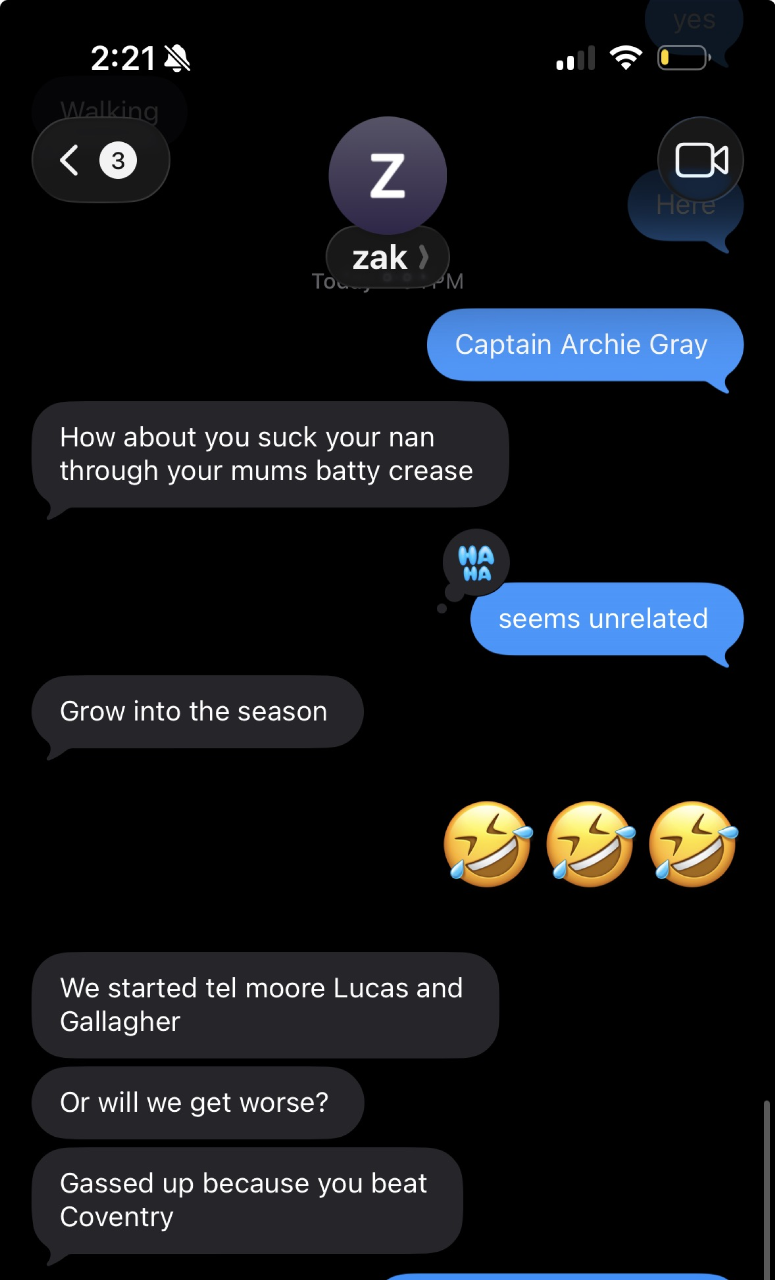
Their misery and humiliations never end, though as Bill Simmons would say, I'm still a stockholder on Marmoush Island, so I don't hate that transfer. Savinho, on the other hand, I fail to see the logic in.
Marc, the Executive Producer of TAFS and also an Arsenal fan, for some reason loves Savinho. He thinks he's fucking amazing. It's really unclear why. But he's steadfast. 2 goals in 2 seasons, doesn't matter. Marc knows what he knows. I don't know if he'd pay £85m for him, though. That fee, for what is essentially a 'potentially nice little player' feels violent. It feels abusive.
After the match ended Cesca and I set off on our errands. We were to visit an antique/vintage shop in Bed-Stuy before picking up boxes at Home Depot and getting lunch. Errands with your girlfriend are as hellish as they are wonderful.
When she walks through the Home Depot flower section and says, "Oooh basil," you're meant to reply "oh wow, that smells great," so she can say, "I'd love to have that in the new apartment," and you can say, "yeah, that would be really cool." And it just goes on from there forever. I played this exact interaction out for Cesca and she was unimpressed. She smiled a little, too, I think. While walking, we ran into a filmmaker she worked with during the Middlebury Film Festival. God rewards those that go outside.
Naturally, my Sunday was spent almost entirely indoors, it being quite the slate of matches.
The day began with another iconic Unai Emery pre-match interview, responding, "Silence," to questions over Ollie Watkins' lack of availability for selection.
Emery's rage at the Englishman, if he truly made himself unavailable despite the absence of an injury, is justified. But the Basque manager should also look inward at the reasons why Watkins may feel justified in his decision. He was denied a dream move to Arsenal in January of 2025 when Villa quoted £60m for his services, £20m more than what was being offered. As is the clubs right to do.
He was also moved into a secondary role for Jhon Duran despite posting 19g and 13a in the previous season. Perhaps that's the nature of football, but it's understandable why Watkins may have felt he earned more of a standing within the club. 14, 11, 15, 19, 16, and 16 goals in his six Premier League seasons is the output of a top level striker. Regardless, heading into a Champions League campaign, Emery will have been devastated to lose Morgan Rogers, Youri Tielemans, Ezri Konsa and Ollie Watkins in a single summer.
The opening fixture was disastrous for Villa, who were blitzed by Brighton at the AmEx. Maxim De Cuyper and Jack Hinshelwood ran the game ragged, each contributing to two goals. The Villans missed Brian Madjo, who despite being 17, already looks a Premier League ready centre forward, reminiscent of a young Romelu Lukaku during his stint at West Brom.
With many players missing, it would be a mistake to read too far into this result. But Brighton have set a marker—if you aren't ready to play, they will give you a hiding, and quickly.
Man City v Bournemouth was mostly a snooze. Bournemouth scored a nice goal on the counter in the first half, but offered the match very little. They ceded territory and possession to City, who, after the introduction of Rayan Cherki, turned the game on its head.
The diminutive Frenchman made little impact in the World Cup and has started the season behind Phil Foden, but it's hard to imagine that continuing throughout the season. Foden struggles to connect in possession and has only ever proved elite in one area of the pitch: in the right half-space +/- 5 yards from the 18-yard box. He will need to do more to justify regular inclusion. I don't believe him capable.
There wasn't anything particularly impressive about the City performance, but they looked relatively competent against what should be a very decent side. The blue Mancs don't project as title contenders, but following the sales of Omar Marmoush and Savinho they will strengthen their attack further, as well as their midfield. As many as four players could end up arriving at The Etihad. I don't expect this to change the title odds calculus, but it will undoubtedly make them more fearsome and flexible.
My Premier League Sunday finished with the draw at St. James between Newcastle and Liverpool. The chorus of boos seemed to affect Alexander Isak, who failed to make a mark on the match. The midfield trio of Ryan Gravenberch, Dominik Szoboszlai and Florian Wirtz was predictably fragile, getting sliced open on the opening goal through the two-man counter of William Osula and Anthony Elanga.
Osula, for the first thirty minutes, was an absolute menace. Tall, fast, skilled, powerful, confident. The Dane has all the tools to be one of the best strikers on the planet. Yoane Wissa, who started the match just under Osula in the '10', had his best game in a Newcastle shirt. He was positive, aggressive and showed great skill in turning midfield play into threatening attacking advantages. Wissa was, of course, greatly aided by the lack of steel and defensive mobility in the Liverpool midfield.
Jeremie Frimpong and Milos Kerkez once again showed themselves an enormous downgrade from the previous Trent-Robbo axis. Frimpong lacks the size and power to defend at the Premier League level, and Kerkez's lack of on-field intelligence makes him a maddening LHS partner for Virgil van Dijk. A positive for Liverpool were the debut of Jeremy Jacquet, who looked calm and assured on the ball, as well as dynamic and intelligent in his reading of play and Victor Munoz, who looked a versatile and threatening attacker.
With some time alone on my hands, I watched Party Girl, starring Parker Posey, to finish my day of mass media consumption. I found it light and fun and intermittently profound. "One must imagine Sisyphus happy." I, too, think I'm an existentialist. I do.
On to the next week of football.
Matches covered
6 matches
DiscussionOpen
Latest from Half Space
Opinion
25 Women to Fall in Love with: TV/Film
Continue reading
- 01Jamie-Lynn Sigler (The Sopranos)
Can I be your hassidic homeboy
- 02Clara Paget (Black Sails)
I fucking love studs
- 03Alia Shawkat (Search Party)
Iranian, Jewish, Freckles
- 04Zazie Beetz (Atlanta)
She married a white guy
- 05Audrey Tautau (Amelie)
manic pixie heaven
- 06Helena Bonham Carter (Fight Club)
You probably don't get it
- 07Parker Posey (Waiting for Guffman)
to play dumb you often have to be incredibly smart
- 08Abigail Spencer (Rectify)
the most loyal woman ever shown on screen?
- 09Penelope Cruz (Vicky Cristina Barcelona)
Nooo don't kill yourself your so sexy aha
- 10Katheryn Winnick (Vikings)
give me a Viking son that will terrorize a Europe o Wise One. But DON'T let him play for Manchester City.
- 11Elle Fanning (The Great)
being an eater can get you out of pickles you can hardly imagine
- 12Yasmine Paige (Submarine)
My biggest adolescent crush (Meadow Soprano you are more than that). Call me gay and light my leg hair on fire.
- 13Anna Karina (Pierrot le Fou)
It's fun to do bad things. Especially with sociopathic French girls
- 14Perdita Weeks (As Above, So Below)
Of course I will explore the French Catacombs with a fast-talking red-headed Brit
- 15Faye Wong (Chungking Express)
yes of course I've dreamed that the hottest weirdest girl ever has been intensively paying attention to the happenings of my life and desires nothing more than to help me "move on" so I can eventually be with her yes it's a little manipulative but it's also overwhelmingly sweet and strange
- 16Keri Russell (The Americans)
being a cuck to your country is only worth it if it's for a bitch this bad
- 17Eva Mendes (The Place Beyond the Pines)
Where I learned that no man can ever do better than a bad Latina
- 18Sandrine Bonnaire (Vagabond)
I JUST WANT TO KNOW WHAT YOU'RE THINKING
- 19Kate Winslet (The Reader)
Of course I will teach you to read you gorgeous Nazi
- 20Simonetta Stefanelli (The Godfather)
fell in love with her at the same time as Michael
- 21Eve Hewson (The Knick)
i'm glad you have the tools to kill me it will make me behave
- 22Alicia Vikander (Ex Machina)
Caleb you have great taste
- 23Marisa Abela (Industry)
jewish girls with accents that look arab >
- 24Famke Janssen (Rounders)
talk to me all night long about the downfall of Eric Seidel
- 25Corinne Marchand (Cleo from 5 to 7)
Ditzy princess I can take care of you
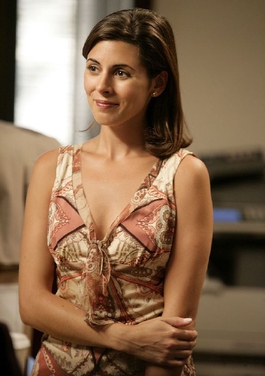


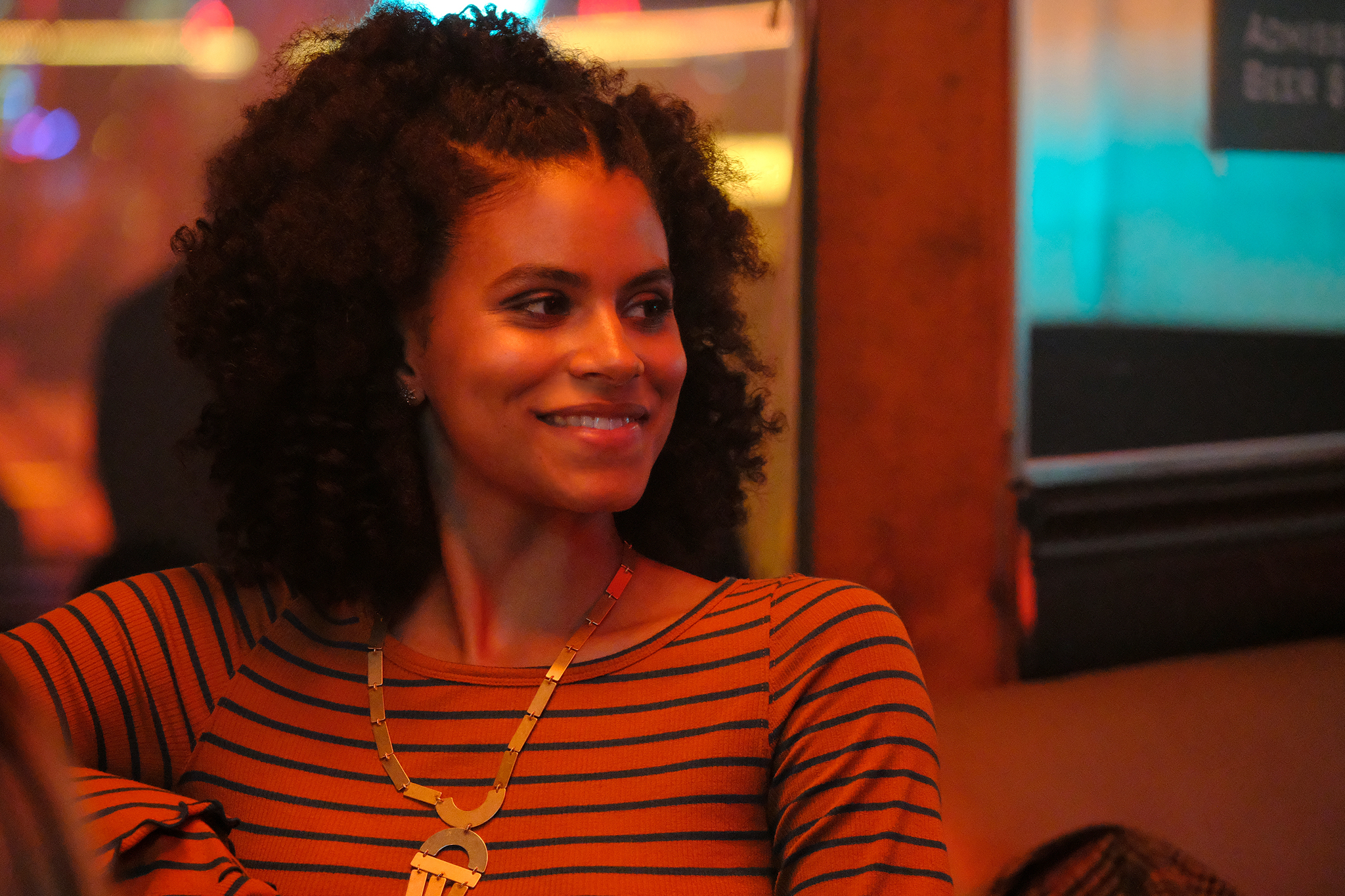

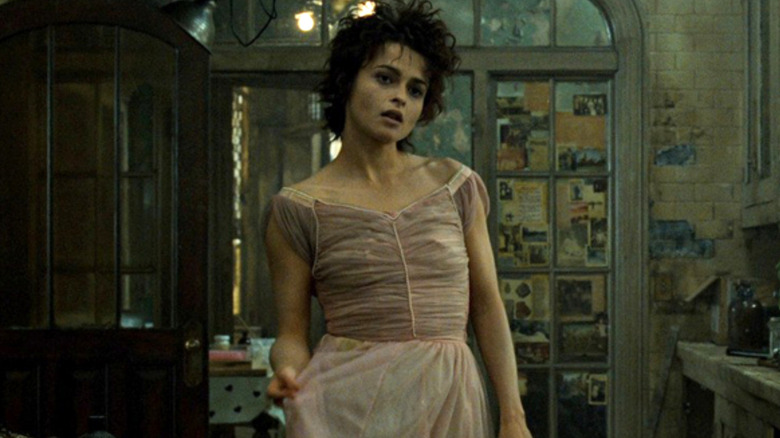
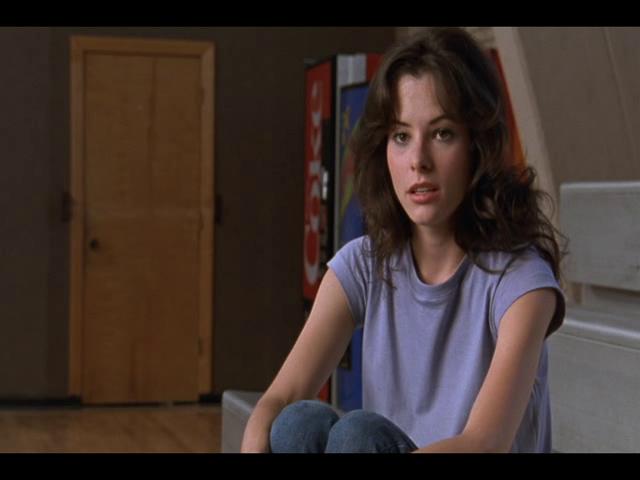









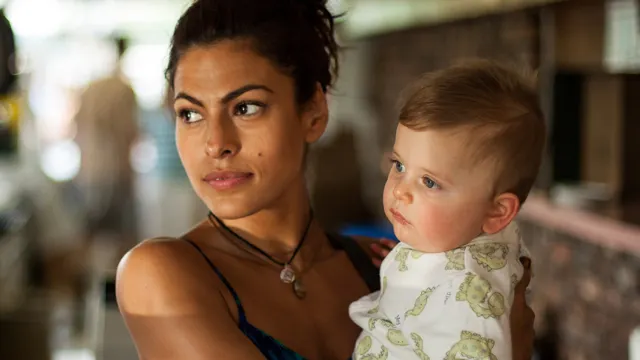


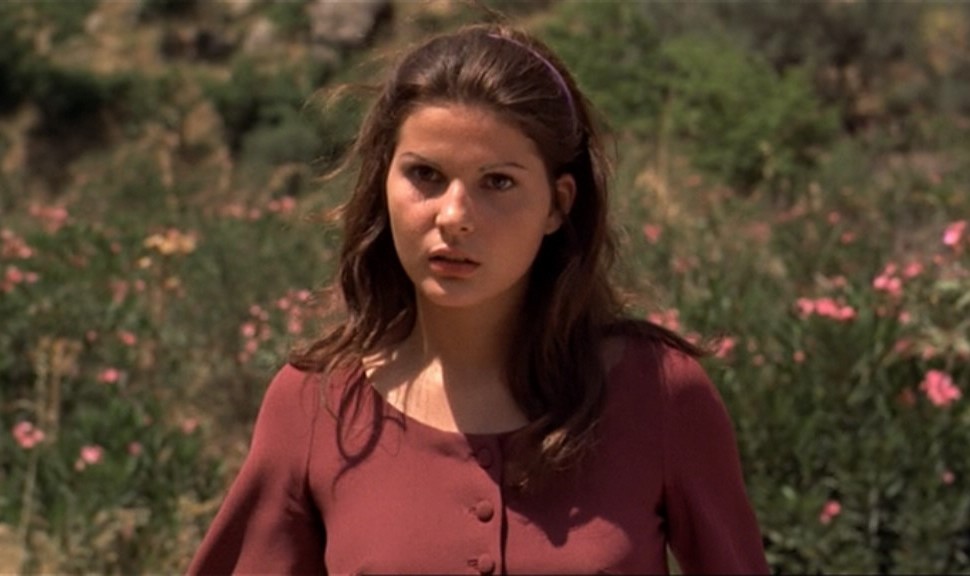


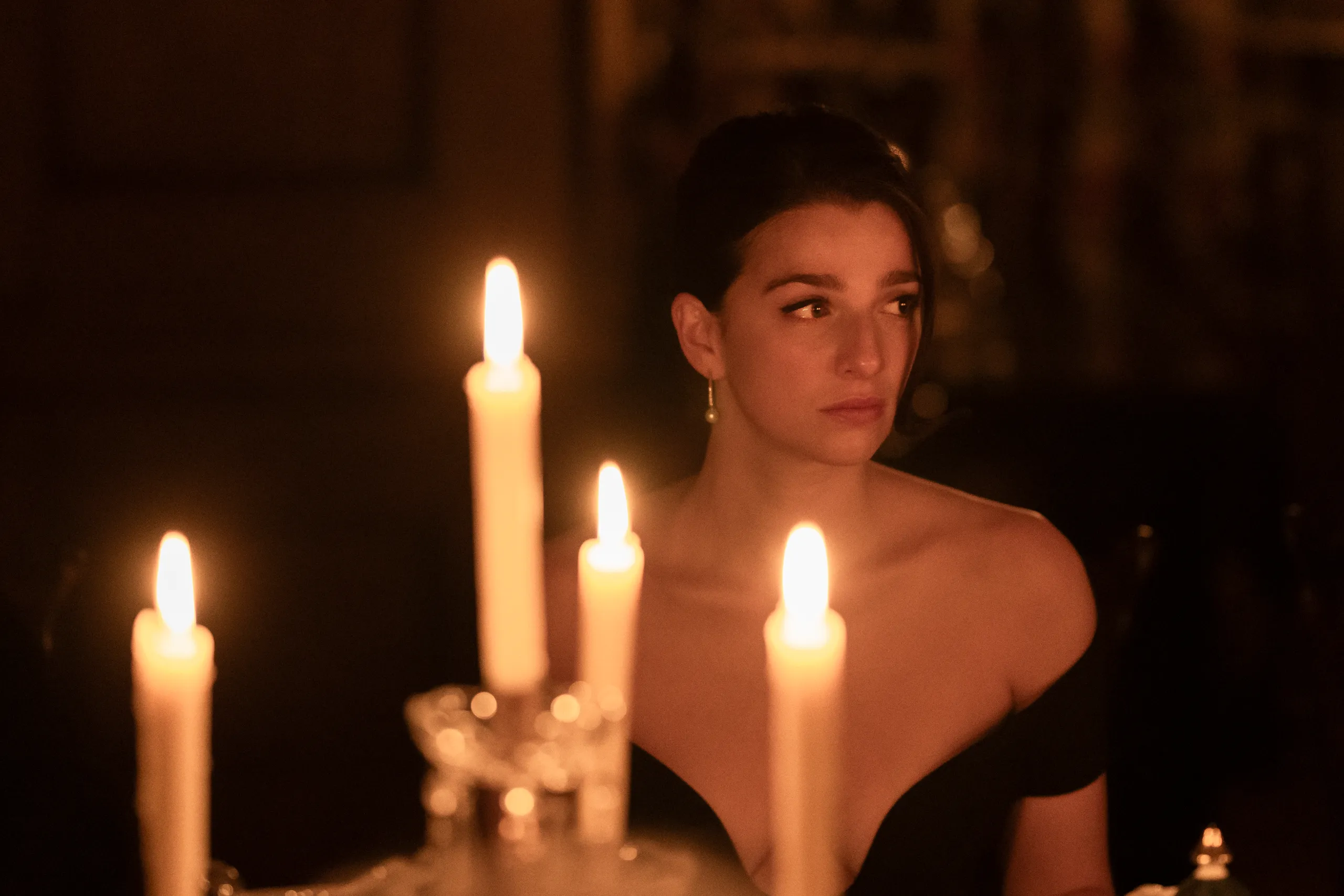
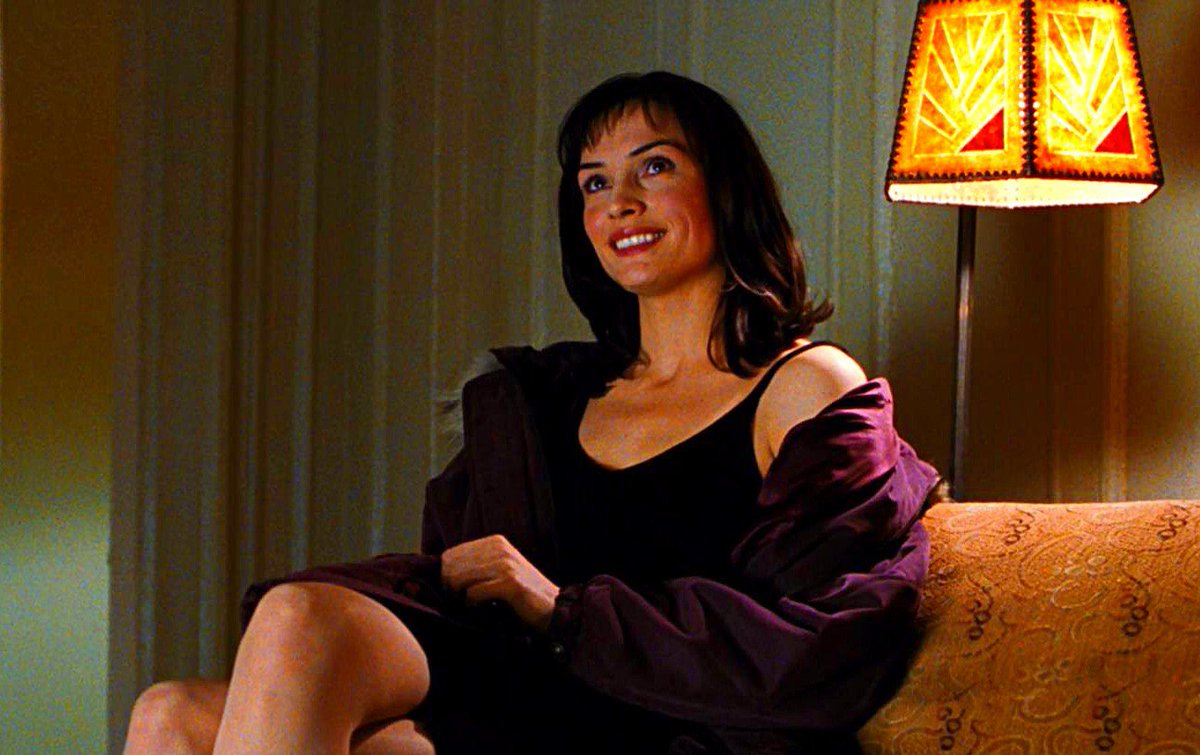

These are the women I like the most. Yes, it's mostly white ladies
DiscussionOpen
Betting
2026–27 Premier League Futures
18 bets to make before the season begins
These are the bets over the course of the upcoming Premier League season that stood out as market opportunities to me.
Continue reading
Futures
Table Placements
| Bet | Odds (vendor) | Stake | Potential payout |
|---|---|---|---|
| Hull, Ipswich and Coventry RelegatedThough all three promoted clubs have strengthened smartly, it in some ways feels like a preparation for a relegation, promotion, and better crack at survival. The weakest clubs in the division—Fulham, Sunderland (with Europa League football), Everton—are still comfortably better than all three. Getting +250 on the proposition, given it's likelihood, makes this a no-brainer. | +250(DraftKings) | $20.00 | $70.00 |
| Arsenal to win the Premier LeagueNot only is Mikel Arteta the only manager in the league to have previously won the Premier League as Manager, but the other "contenders;" City, Chelsea, Liverpool, Man United, all have managers taking over for their first full season. It's a year of turnover, and Arsenal return their entire core. | +120(DraftKings) | $10.00 | $22.00 |
| Nottingham Forest Top 6Forest are returning their core, minus Elliot Anderson, and have upgraded in a major way with Oliver Glasner. Last years struggles, besides the manager merry-go-round, were in large part due to integrating 12 players and dealing with a Europa League campaign. I expect them to be hyper-competitive, and these feel like worthy odds for a bit of a dart-throw. | +750(DraftKings) | $5.00 | $42.50 |
| Arsenal — Manchester City — ChelseaThe question becomes: who else will be good? City and Chelsea are best placed, at the moment, operating under the assumption that City will strengthen further. Maresca's men should score plenty of goals despite issues in midfield and defense, and Xabi Alonso will be buoyed by only having to deal with domestic competition. City then Chelsea is the safer play. | +2800(DraftKings) | $5.00 | $145.00 |
Point Over/Unders
| Bet | Odds (vendor) | Stake | Potential payout |
|---|---|---|---|
| Arsenal over 79 pointsGiven the likely regression of the contenders around Arsenal, predicting the Champions to be 6 points worse off, despite accruing the former tally without Bukayo Saka, Kai Havertz and Martin Odegaard for lengthy stretches, feels harsh. The loss of William Saliba for around three months will hurt, but Arsenal's ability in attack should compensate. | +100(bet365) | $10.00 | $20.00 |
| Manchester United under 69 pointsMan United do not have the depth and quality in either midfield or defense to sustain any sort of European/Domestic Cup challenge alongside a competent Premier League campaign. To get to 69 points, United would essentially have to win 20 of their 38 Premier League games, assuming they draw half of the remaining. They won 20 last season. They played 40 total matches. They have not significantly improved. | +110(bet365) | $10.00 | $21.00 |
| Aston Villa over 58.5 pointsManzambi is an excellent Rogers replacement, and though Villa have Champions League football to balance, it's difficult to imagine them losing upwards of 12 matches in the league. They need to buy another CB, but their attack has depth and experience, and their midfield is athletically elite. | +100(DraftKings) | $10.00 | $20.00 |
| Nottingham Forest over 49 pointsThe same reasons Forest make a good surprise pick for the Top 6 make them a shoe-in to reach the 50 point mark. This is an extraordinary value. | +120(bet365) | $10.00 | $22.00 |
| Leeds United over 48 pointsFarke's squad has been strengthened and his style understood by the players. With Brighton, Bournemouth, Crystal Palace and Sunderland—clubs all around or perhaps slightly ahead of Leeds—playing in Europe, the Yorkshire club, with their hyper-aggressive style of play, should fair very well in mid-table affairs. This makes 50 points a more than reasonable benchmark—14 wins. | +130(bet365) | $10.00 | $23.00 |
Player Props
| Bet | Odds (vendor) | Stake | Potential payout |
|---|---|---|---|
| Martin Ødegaard — Player of the SeasonWhat I saw in the Community Shield was inspiring. If that version of Odegaard turns up, he will be viewed as the consensus best player in the league. He looks fit and ready to dominate, and first impressions matter. If Arsenal retain the title, he will have a great chance to be crowned POY as captain . | +2000(DraftKings) | $10.00 | $210.00 |
| Bukayo Saka — Golden ShoeSaka is a wonderful distributor/crosser, and as the best winger on the best team in the league, he will have plenty of chances to create chances. These are relative long-shot odds for one of the most complete final-ball players on the planet. | +800(DraftKings) | $10.00 | $90.00 |
| David Raya — Golden GloveRaya is the best GK on the most staunch defense in Europe, let alone England. Arsenal should concede the fewest goals in the league again, and if they do, he will almost certainly claim another Golden Glove. | +110(DraftKings) | $10.00 | $21.00 |
| Viktor Gyökeres under 13.5 goalsGyokeres getting 14 last year was a sort of fluke. With Kai Havertz and Mikel Merino back, it would take an incredible run of post-75th minute penalties for the Swede to accrue even a double-digit return. | -115(DraftKings) | $10.00 | $18.70 |
| Brian Brobbey 10+ goalsBrian "XL Bully" Brobbey. Defenders just bounce off him. He's relentless and quite inventive. He's also the main man. If he stays fit, he will get into double figures. | +175(bet365) | $10.00 | $27.50 |
Top Goal Scorers (Club)
| Bet | Odds (vendor) | Stake | Potential payout |
|---|---|---|---|
| Eli Junior Kroupi — BOU Top ScorerThere are two reasons these odds are so: Kroupi is out until early November, and there is still the possibility he leaves despite injury, or in January. I don't think the latter is likely. I also don't think the former will leave him too far behind. Alvaro Rodriguez and Evanilson should split time, and Kroupi, if fit, will easily slot in as a crucial player. | +700(bet365) | $10.00 | $80.00 |
| Kai Havertz — ARS Top ScorerThe German will be Arsenal's go-to man at CF this season, and with a fit Saka and Odegaard beside him, he will have chances galore. Gyokeres is massively overvalued by the books, making this an excellent value bet. Havertz averages 0.46 goals p/90min from the position. That could easily translate to 15 goals. | +333(bet365) | $10.00 | $43.30 |
| Georginio Rutter — BRI Top ScorerThough Tzimas and perhaps Kostoulas will challenge him for minutes, Rutter should be the main man up front for the Seagulls this season. Mitoma's injury record and Minteh's lack of consistency in front of goal make the Frenchman the most logical choice as leading goal-scorer, and at +500, it's really nice value. | +500(bet365) | $10.00 | $60.00 |
| William Osula — NEW Top ScorerIt remains to be seen whether Osula will have to share the limelight with Yoane Wissa, but the Dane's extraordinary size, skill and athleticism should lead to plenty of minutes and opportunities. He seems primed for an explosion, and projects as the most likely bright-spot in a potentially difficult Newcastle season. | +275(bet365) | $10.00 | $37.50 |
I bet a total of $180 in four main categories: Table Placements, Point Total Over/Under, Player Props, and Team Top Goal Scorers. Rationale included underneath each bet.
DiscussionOpen
Nba
Let's Fix the NBA
How many guys in the NBA can get you 20 a night?
Continue reading
In the age of tanking and the corner three, answering requires knowing 60% of the league. The modern NBA is defined by an abundance of skill, spacing, and money. The on-court product reflects this evolution: the game is faster, more precise, and more technically advanced than at any point in the league’s history. And yet, the league’s underlying structure feels misaligned with the product it’s selling.
Over the past year, a series of scandals have underscored the NBA’s shifting ecosystem. The rapid integration of legalized sports betting into American culture (and inevitably, professional locker rooms) has introduced predictable vulnerabilities. At the same time, an increasingly restrictive salary cap has created conditions where circumvention is both tempting, and at times rational. Did Steve Ballmer really do anything Bill Belichick wouldn’t have? Of course, I’m only talking about sports here.
None of this is surprising. Systems evolve, incentives shift, and participants adapt accordingly. The league will respond, as it always does, with a mix of new rules and renewed focus on optics. Naturally, the league’s sportsbook sponsors are incentivized to keep contests fair for maximum profit-share, and with increased scrutiny and seemingly limitless access to data, cheating will become extremely difficult and its repercussions severe.
Cap circumvention will be difficult to police, but Adam Silver has a clear choice. He can make a visible, punitive example of the Clippers and reset the risk calculus for every owner considering similar arrangements. Or, he can settle for financial penalties and forfeited (middling) draft assets, a resolution tidy enough for the league office but insufficient in deterring owners with billions in liquidity from underhanded deal making. While David Stern generally took the ‘Go Big and Loud or Don’t Go At All,’ approach, media coverage can’t afford Silver the same shield. Making an example of the Clippers would be fair, but enforcing accountability hasn’t necessarily been the league's strong suit.
In the long run, neither issue is likely to materially damage the NBA’s position. The league, its partners, and its stakeholders are too financially aligned to allow that outcome.
The more pressing concern is not what these developments represent in isolation, but what they obscure. Beneath the surface, the NBA faces a set of structural challenges that have proven difficult to confront: a restrictive cap system that punishes internal success and ambition, an incentive structure that rewards losing, a regular season that struggles to sustain relevance, and a style of play that converges toward uniformity.
What follows is a framework for addressing those problems—both within the league’s current model and beyond.
The Competence Tax
In theory, the NBA’s current salary cap structure is designed to promote competitive balance. In practice, it has increasingly functioned as a deterrent to successful team-building.
The clearest example is the introduction of the second apron. At minimum, crossing the $210m payroll threshold requires ambition, requiring owners willing to pay expensive rosters for the chance to compete. In order to compete, teams have to do many things well—draft, develop, trade, extend, sign, coach, manage, and pay.
A franchise’s reward for ambition and competence is a series of cascading restrictions: limited access to trade exceptions, diminished flexibility in aggregating player salaries in trades, constraints on sign-and-trade transactions, forced draft-repositioning, and the elimination of the mid-level exception. The cumulative effect is not simply financial, it’s structural. Teams are, in effect, prevented from improving or meaningfully evolving once they’ve passed some arbitrary financial threshold.
This is an unusual incentive system. In most competitive environments, effective decision making— identifying and developing talent, constructing cohesive rosters— is rewarded. In the NBA, those same behaviors now trigger mechanisms designed to degrade rosters and redistribute players. The logic underpinning all this is borrowed from the NFL, a league built on parity and roster turnover. But the comparison is imperfect. Football distributes value across a large number of positions, the majority of which involve interchangeable labor. Carson Wentz was going to be the MVP before he got hurt. The Eagles still won the SuperBowl. Bill Belichick slaughtered a sacred cow during every off-season.
The NBA is different. It is a star-driven league, and its most compelling iterations have consistently featured elite players on elite teams operating at a sustained level of excellence. From the dynastic runs of the Boston Celtics and Los Angeles Lakers, to the dominance of the Chicago Bulls, to more recent eras defined by LeBron James and the Golden State Warriors, the league’s popularity peaks when its best teams remain intact long enough to establish identity and narrative continuity.
The second apron works directly against this dynamic. It does not just limit excess spending, it accelerates the breaking up of successful teams by enforcing an unreasonable level of roster rigidity. This also constrains aggressive teams, threatening to lock them into stagnant, non-competitive rosters precisely when their window to compete is open.
A more coherent approach would reverse the incentive. Rather than penalizing teams for retaining and developing talent, reward continuity. Implement cap mechanisms that reduce the financial burden of re-signing homegrown players to encourage long-term team-building while preserving flexibility for teams willing to spend into the luxury tax.
The goal should not be parity for its own sake, but competitive integrity: a system in which well-run organizations are allowed to sustain success, and poorly run ones are incentivized to improve rather than reset.
That principle applies even more directly to the league’s most persistent and embarrassing problem.
Fruit From a Poisoned Tree
Ironically, the actual players who belong to tanking teams usually give high-effort performances. Perhaps because they are all auditioning for a guaranteed contract. Still, it illustrates the point: tanking is not a failure of effort, it is a rational response to the NBA’s incentive structure. At its core, the problem is straightforward. The league rewards poor performance with access to elite amateur talent. While the lottery system introduces variance, the underlying mechanism remains intact. The worse a team performs, the greater its opportunity to acquire a player who can alter its trajectory.
Proposals to mitigate this dynamic have focused on incremental reform—flattening lottery odds, limiting the number of consecutive years a team can remain in the lottery, and introducing the play-in tournament. These measures address symptoms, not causes. As long as losing improves a team’s access to future talent, the incentive to lose competitively will persist. The math is too clean.
The logical conclusion is impossible to avoid: the draft itself is the source of the distortion.
In most industries, highly skilled labor is not assigned—it selects. Elite candidates select organizations based on compensation, developmental infrastructure, competitive opportunity, organizational competence, and location. A twenty-two-year-old physics-computer science double-major from MIT is not assigned to the worst tech company in the Fortune 500 to preserve competitive balance. Would Zion Williamson really have chosen to play for the Pelicans?
Professional American sports, by contrast, operate on a system that restricts agency at the entry point under the threat of exclusion. This is not only accepted, it is celebrated.
The draft is a labor rights violation dressed in television pageantry. The only reason it has survived this long is because the pageantry is excellent.
A different model would treat incoming players as participants in a managed market rather than assets to be allocated. Prospects could enter the league at seventeen, signing with teams via cap space, two-way contracts, or developmental pathways tied to the G-League. Baseline protections like guaranteed health coverage after fifty appearances and restrictions on agent contact would be built in. College programs would also benefit from continuity, as one-and-dones become optional rather than strategically mandatory. This will raise the level of every player entering the NBA.
The primary objection to such a model stems from fears over concentration of talent—the concern that top prospects would gravitate toward established or high-profile franchises. This is reasonable but overstated. Roster spots are finite. Salary caps impose hard limits on accumulation. Perhaps most importantly, opportunity remains a powerful counterweight. Prospects are unlikely to prioritize marginal brand advantages over playing time, development, higher salaries, and a clear path toward impact.
Take European football, the most instructive global comparison. Their talent distribution is shaped by financial constraints, organizational competence, and competitive opportunity. The result is not a perfect balance. Instead, it creates a dynamic equilibrium in which well-run clubs consistently outperform poorly run ones, without requiring those clubs to fail first in order to improve.
Would the NBA be worse off if Cooper Flagg had chosen the Celtics as a free agent? Or if AJ Dybantsa signed a four-year, $80M deal with the Jazz? Almost certainly not. Marquee young players on competitive teams generate more interest than marquee young players assigned to rebuilding ones. Some organizations will overpay for young talent and be punished for it. Others will succeed. Both outcomes produce better television than a franchise deliberately losing in February.
Abolishing the draft would not eliminate inequality between franchises. It would, however, eliminate the league’s most direct incentive to lose games deliberately.
The Far Too Regular Season
The NBA regular season is both the league’s primary content engine and its most visible structural weakness.
There are 1230 “episodes” of the NBA regular season, making up the 82-game schedule and fifty percent of league’s revenue through associated television contracts. But the majority of these games have little urgency and limited stakes. Load management further dilutes the product, turning low-stakes games into low-stakes games without good players, as teams optimize for post-season performance rather than regular-season results. And it doesn’t help that all the while, they must compete with the NFL for the spotlight.
From a business perspective, the league’s reluctance to shorten the season makes sense. Gate receipts, local television contracts, and existing national media deals are all calibrated around current inventory levels. Fewer games would mean immediate revenue contraction. Fine. You can’t cut games. But maintaining volume does not require maintaining format.
A more concentrated structure—forty minutes instead of forty-eight, two twenty-minute halves, four total timeouts each, no challenges but automatic review—would address pacing issues, restore continuity, and decrease in-game margin of error. End-of-game sequences, which can stretch to disproportionate lengths, would regain a sense of continuity. This means a more coherent viewing experience, both in arenas and on television.
Combine that edited format with a league seasoning starting on Christmas and ending in August, and suddenly the NBA will have dodged three to four months of competing for ratings with the NFL, while simultaneously picking up two additional months of previously dead air time in professional sport.
The same logic applies to the postseason. Early-round series, particularly in the first round, often lack competitive tension. Reducing these matchups to best-of-five formats would increase the variance and elevate the stakes of each game, even at the cost of some inventory.
These adjustments do not solve the deeper question: what should an NBA regular season game mean? But they point toward it. In a media landscape where a Netflix series can claim more weekly viewing hours than an entire conference’s worth of regular season games, the NBA cannot afford to treat volume as a proxy for value. The question is not how to protect the existing inventory. It is how to make each unit of that inventory worth protecting.
This shift, taken seriously, leads to a more radical set of possibilities.
The Tyranny of Efficiency
Basketball has never been more solved.
Teams now operate with a shared understanding of what constitutes an efficient possession: three pointers, shots at the rim, and free throws. This has produced extraordinary offensive output. It has also produced convergence. Across the league, stylistic differences have evaporated. Offenses increasingly rely on the same geometry: drive-and-kick actions designed to generate corner threes, spacing principles that prioritize maximum shooting gravity, and shot profiles that minimize midrange attempts. These are not trends so much as conclusions, arrived at independently and then adopted universally.
From a competitive standpoint, this is logical. From a product standpoint, it is limiting.
A league where every team is pursuing the same optimal strategy risks diminishing one of sports’ most valuable qualities: variety. Distinct styles create distinct identities. They produce contrast, unpredictability, and more compelling matchups. When those differences erode, so too does some of the texture that makes the game engaging over time.
At various points, the league has intervened to shape how basketball is played—adjusting rules to open up the floor, increase pace, and encourage skill development. A similar intervention is now necessary, not to restrict offense, but to reintroduce diversity into how offense is generated.
Two structural changes would address the current imbalance.
First, eliminate the corner three. At twenty-two feet, it is materially shorter than above-the-break attempts while also being uniquely difficult to defend without compromising the paint. And the shot’s prevalence has reinforced a specific offensive loop: collapse the defense, kick to the corner, relocate, repeat. This is forty-percent or more of an NBA offense. Removing it would disrupt that loop, forcing teams to find different answers.
Second, move the three-point line back to a genuinely demanding distance. Three-point attempts are currently worth fifty-percent more than two-point shots without being fifty-percent more difficult, a mathematical imbalance that analytics have identified and teams have exploited. Recalibrating that ratio by increasing the distance does not eliminate the three. Narrowing its efficiency advantage will reopen the strategic viability of midrange scoring, post-play, and interior creation. The objective is not to reduce skill, but to raise its threshold. By making the most efficient outcomes more difficult to achieve, the league will incentivize innovation rather than replication.
A similar recalibration is needed in how the game is officiated. Over time, the interpretation of contact has shifted decisively in favor of offensive players. While this has contributed to increased scoring and fluidity, it has also introduced distortions, particularly in the proliferation of marginal foul calls and techniques designed to exploit them. Harden, Embiid, SGA. When an offense can reliably generate free throws from minimal or incidental contact, the game becomes more legal exercise than athletic contest.
Restoring that balance does not require a return to more restrictive eras of physicality. It requires a specific, more consistent definition of what constitutes foul particularly on jump shots and perimeter actions. Reducing the frequency of marginal calls would reward defensive discipline without materially diminishing offensive creativity.
Taken together, these changes would make the game more demanding, more varied, and more strategically open. The result would be an evolution that preserves the gains of the modern era while growing the ways in which teams can succeed.
Leaving the Bubble
Basketball is quickly becoming the world’s second game because its barrier to entry is essentially zero. All you need is a ball and a hoop.
Since the Dream Team, the NBA has spent nearly five decades building a global fanbase it has barely begun to monetize. In many countries, there are now fully realized basketball infrastructures. The league pulls players from over 40 countries and has broadcast relationships across Europe and Asia. It generates enormous organic fandom in markets served primarily through highlight packages at 3am local time. More than that, arguably the five best players in the league—Jokic, Wembenyama, Gilgeous-Alexander, Doncic, Antetokounmpo—are foreign.
What the league has not done is build a structure that takes this seriously. But an international circuit of six to eight games per team per season, played in countries around the world, would because:
- It creates additional revenue streams that could eventually offset the cost of a shorter domestic schedule.
- It gives the league a credible global identity rather than a domestic product with international highlights.
- It makes domestic games a more exclusive event. Scarcity is a feature, not a bug, and the league currently produces so much inventory that individual games are already structurally prevented from feeling important.
The cities exist. From London to Shanghai to Mexico City, these are established markets with existing basketball infrastructure, broadcast relationships, and young audiences. Six international games per team is not a radical imposition on an 82-game season. It is an additional revenue stream, a marketing strategy, and a structural argument for why the schedule can eventually get shorter—all at once.
A Repositioning
The NBA regular season serves primarily as a sorting mechanism. Its purpose is to determine playoff seeding for a postseason that decides the champion, resulting in meaningful competition compressed into a small portion of the calendar year. But this is not an inevitable design. It is a legacy one, inherited from a mid-century sports economy focused on survival. In European football, success is not determined solely by a knockout tournament, but mainly by sustained excellence over the course of a season. A league table crowns the champion, while promotion and relegation introduce stakes at both ends of the standings. Cup matches provide stakes. Every match contributes directly to an outcome that cannot be deferred.
The appeal of such a system is not philosophical. It is practical. It maximizes the number of games with meaningful consequences. Reframing the NBA along these lines would require a structural shift, but it would also unlock a fundamentally different kind of product—one in which every game carries weight, and in which success and failure are distributed continuously rather than episodically.
The Great Expansion
A potential remodel begins with expansion: the league grows to forty teams, splitting into two twenty-team tiers: Division A and Division B.
This means that ten new franchises enter the league, all initially placed in Division B. There are plenty of cities ready for consideration: Las Vegas, Seattle, Mexico City, Montreal, Nashville, Baltimore, Kansas City, Honolulu, Baja California, San Diego. New franchise owners could pay an admittance fee—say, $5B—distributed equally among the thirty existing ownership groups. Ten franchises at $5B each is $50B in new capital, $1.67B to every current owner before a new game is played.
Beyond simple growth, expansion serves a strategic purpose by creating the population necessary for a tiered system while broadening the league’s geographic and commercial footprint, domestically and internationally. This would also accommodate a broadening talent pool.
A Two-Tier Structure
- Division A represents the league’s top, competitive tier.
- Division B functions as both a developmental environment and a pathway to advancement.
- At the end of each season, the bottom three teams in Division A are relegated, while the top three teams in Division B are promoted.
- A playoff between the fourth-from-bottom team in Division A and the fourth-place team in Division B determines the final participant in Division A for the following season.
This system introduces consequences across the entire standings. Contention is no longer limited to championship pursuit. Avoiding relegation becomes a parallel objective, ensuring that a significantly larger portion of the league remains competitively engaged throughout the season.
Managing Financial Risk
The primary objection to relegation is economic. Franchise valuations are predicated on stability. This means guaranteed participation in the league’s top tier, consistent media exposure, and predictable revenue streams. Relegation introduces variance.
To mitigate this, financial mechanisms would need to be built into the system. “Parachute payments,” would be distributed to relegated teams over multiple seasons, to offset short-term revenue loss and provide a buffer for operational adjustment. A separate salary cap environment for each division would align costs with competitive context — higher in Division A, lower in Division B — while preserving upward mobility. Transactions between divisions would be allowed.
Crucially, the presence of a second division does not eliminate value. It redistributes it. A controlled two-tier system establishes a floor for franchise relevance while preserving the upside associated with promotion and success.
Redefining the Season
With this new structure, the regular season becomes the central competitive mechanism.
A 57-game schedule—each of the nineteen opponents played three times, with seven international games woven in—feeds into a league table that determines the Division A champion outright. There is no postseason tournament required to validate the result because the best team over the full season is recognized as such.
A league table rewards consistency. It does not put the same emphasis on individual moments. A concurrent knockout cup competition, open to all forty teams, with randomized draws broadcasted as complete events, addresses that gap.
The new structure would also provide Division B teams with a path to glory existing independent of promotion. It would give mid-table Division A teams a second objective when the title race has resolved. And it offers the league a parallel content calendar—high-leverage, single-elimination games interspersed throughout the regular season, which the current league format cannot generate on its own.
All teams in Division A and the Top 4 teams by record after 22 games in Division B would automatically qualify for the Second Round.
Qualifying Round
- After Game 22
Second Round
- After Game 30
Round of 16
- After Game 38
Quarterfinals
- After Game 46
Semifinals
- After Game 50
Final
- After Game 54
Together, the league and cup structures create a layered competitive calendar: consistent stakes throughout the table, punctuated by the volatility of elimination play.
A Different Kind of Product
The totality of these changes redefines the NBA’s offering.
Instead of an 82-game prelude to a post-season tournament, the league becomes a continuous competition in which every game directly influences outcomes at both the top and bottom of the standings. The number of “meaningful” games increases, not by adding inventory, but by redistributing stakes.
This has implications beyond competition because it reshapes the league’s value proposition as a media product. Games become more consequential, which means narratives develop organically over the course of a season rather than being deferred to the playoffs. International interest, already a strength of the NBA, can be further cultivated through a structure that mirrors globally familiar formats and offers its product live.
None of this is easily achievable. Owners will have to accept short-term uncertainty in exchange for long-term structural health. It challenges assumptions that have defined the league's interwoven monopolistic and champagne socialism philosophical backbone.
But if the objective is to build the most compelling version of the NBA—not just as a sport, but as a global entertainment product—then incremental reform may not be enough. At some point, the question is not how to refine the existing model, but whether the existing model even reflects the best version of the NBA.
The product has evolved. The incentives have not. That gap must close—ideally by design, not in reaction to a decaying financial environment.
DiscussionOpen
Matchday Diary
Arsenal Win Community Shield
Incredibly sunburnt, I watched the match lying stomach flat, legs slightly lifted off the mattress. It's constant pain, this red rash. Why I did not spray my legs, I have no idea.
Continue reading
Seeing the lineup only lit my skin up more, every particle inside me furious at the selection of Noni Madueke ahead of Max Dowman. This more or less bore out on the pitch. Madueke's decision making in the final third is erratic, and while he stretches play excellently, his lapses in judgement put him in direct contrast with the rest of the team. There are still moments where I look at the athlete and understand the great potential he possesses. But then I remember the talent, and superior current ability, of the kid—Max—who he is keeping out of the side. It didn't matter.
When Martin Odegaard looks like Luka Modric, effortlessly playing an advanced midfield role while also dictating play from the defensive and middle thirds, Arsenal become unstoppable. Utterly press-resistant and looking back to complete physical fitness, the most notable change in the Norwegian was his speed of play. The more confident and talented the player, the quicker they make decisions. Odegaard, for two plus seasons, has dithered in possession to the detriment of the side's attacking edge. Against City, he was quite perfect. Sprezzaturra.
Nearly everything was done one and two touch. Mateo Kovacic and Elliot Anderson could get nowhere near him. Myles Lewis-Skelly and Bruno Guimaraes were also solid; progressive and aggressive, willing receivers. It looked like a Paris Saint-Germain midfield.
The back 5 looked athletic and sharp. David Raya made a few good saves as well as an absolutely stunning, 50 yard weak-foot laser through the middle of the pitch under the high-press to set Arsenal on an immediate counter. Gabriel looked confident and fit, with his partner Cristhian Mosquera flashing elite recovery speed for the position. This duo should be at the level to allow Arsenal to survive without William Saliba, handling this more tepid version of Erling Haaland, who usually makes his bones scoring hat-trick after hat-trick in the seasons opening matches.
Ben White also looked more himself, comfortably moving around the pitch and showing off elite combination play and skill for a defender. Elite, that is, until you compare him to Riccardo Calafiori, who scored the opening goal of the match. Calafiori's movement in the middle and final thirds is unpredictable. Combining that with his physicality and technique, and you have one of the most terrifying and complete attackers on the planet.
The group needs another defender—links to Ezri Konsa and Jarrel Quansah make sense as both can theoretically cover at right back. Both also seem redundant with Mosquera. A full-time full-back would still be my preferred move. Michael Kayode (Brentford), Givairo Read (Feyenoord), Wilfried Singo (Galatasaray) would all make sense.
A left back is also logical. In the wake of a Calafiori injury, which happens multiple times a season, the Gabriel/Hincapie LHS partnership will cause Arsenal problems against mid and low blocks, as well as against the high press. Relying on it again this season may not be fatal in the league, but it is a real limitation in Arsenal's on-ball ability.
The difference between Kai Havertz and Viktor Gyokeres is monumental. With the German, Arsenal have a fluid target man. With the Swede, Arsenal have a great penalty taker. Only starting seven games last season in the league due to injury, a familiar refrain rings about my brain regarding Havertz: like a new signing. Same goes for Bukayo Saka, who looked strong as ever while also showing off a regained burst. If Arsenal fail to bring in a star forward, Saka and Havertz will have to return to their form and fitness of seasons previous.
Christos Tzolis had a very good debut. He was clean in ball-retention and his decision making in the final third was calm. The Greek seems a very reasonable replacement for Leandro Trossard.
If Gabriel Martinelli, who along with Gabriel Jesus and Ethan Nwaneri did not make the bench, stays, I believe in his ability to win back the LW role from Tzolis. The Brazilian has so much experience, and though he struggled mightily in the Premier League, his contributions in Europe were crucial in the run to the Final. Playing with Viktor Gyokeres also accentuated many of his weaknesses. A sale for the Brazilians, and ideally a loan for Nwaneri, seems the best course of action for club and player. Both could still contribute.
Manchester City, on the other hand, look primed for further regression.
Enzo Maresca's behavior with Chelsea last season lacked maturity. Why he'd want to ditch such a project, considering the faith the club put in him after a single season at Leicester in the Championship, raises questions about his social-emotional stability. His unprofessional outbursts in press conferences were petty and vindictive and not befitting of a top manager. Especially one who has proven so little. Winning the Club World Cup, a trophy nobody cares about, very likely gave the Italian a deadly ego attack.
In his essence, Maresca represents a faux-continuity, and I would have figured City's thinking too advanced to fall into such an 'easy' option. There is no world where his relationships with the remaining players, guys he worked with over three years ago, will immediately translate. These are also men used to being coached by Pep Guardiola. How they respond to someone with such a steep drop-off in credentials will be intriguing.
Within the club, there is a clear leadership vacuum. Ruben Dias is a big personality, but no longer a top performer. Phil Foden is the team's longest serving member, but he is not a galvanizer of spirit. The question becomes: can Erling Haaland lead a squad as well as he leads the line? It will be a massive test for the already all-time great City #9, who has all the characteristics to be a Leader of Men. But one, or two, are not enough. To survive you need a squad full of them.
Without the stability and veteran leadership from players like Rodri, Bernardo Silva, John Stones, and Nathan Ake, as well as the recently departed Kevin De Bruyne and Ilkay Gundogan, City lack the chutzpah for a sustained challenge across fronts, regardless of who they bring in, personnel-wise.
Perhaps they knew whoever they chose was likely to be sacrificed at the alter of "The Guy After The Guy Who Gets Fucked," alongside David Moyes, Unai Emery, and even Arne Slot. An eventual move for Vincent Kompany would make a lot of sense. Destabilizing Chelsea was a bonus, but not when they hire Xabi Alonso afterwards.
Ayyoub Bouaddi and/or Enzo Fernandez are top players, the Moroccan the superior, but neither are ready to perform at the level of Rodri. Rayan Cherki theoretically can fill Silva's boots, but he is yet to disprove detractors calling him temperamental and impetuous. City also still need another XI level defender—their current crop has enough versatility that they can take a best player available approach— and a winger, especially in the light of a likely Savinho sale.
City should score goals. Haaland, Semenyo, Doku is arguably the best front three in the league, but their defense is flawed in its construction at every level; keeper, center back pairing, full back pairing, and their midfield lacks depth, cohesion, and top-level experience.
Despite only upgrading with Bruno Guimaraes, a position they were already strong, Arsenal seem well placed to repeat as champions. The level of competitiveness we see in the league will be dependent on how the window ends. City have lots of business left to do, and Arsenal will be scouring Europe for another attacker.
Matches covered
The match
DiscussionOpen
Matchday Diary
Arsenal v Como (First Half) / Solaris
I'd made plans to watch Solaris at 3:15 last week. I was very motivated then. My month of movies. My generational run. But I failed to check in with Arsenal first.
Continue reading
The Gunners final pre-season match, hosting Cesc Fabregas' Como, began at 2:30. Because I could take the M to Delancey/Essex, I'd be able to watch the first half while on the train. This was enough to make cancelling on the movie outright unjustifiable, especially for someone (me) claiming Stalker as their favorite film.
Phone in hand, streaming the Arsenal YouTube channel, the match followed a familiar pattern to the previous few. Arsenal pressed the living shit out of Como in the first ten minutes, creating 2-3 opportunities they could/should have score from, and then got tired and settled into relatively feckless possession.
But the Hale Enders impressed again.
MLS was confident and progressive on the ball. He took his goal well, but will have been disappointed with his effort just minutes later, opting to strike with the laces and blazing the ball over instead of wrapping his left foot around the ball and using the defender as a natural guide to his angle of approach. To get minutes ahead of Bruno Guimaraes, he will have to do better from those positions. The idea that he should be sold is a non-starter.
Ethan Nwaneri's off-ball running was improved and his touches in the midfield third more refined and connected. I'm long on the record about believing his best position to be higher up the pitch, but there is no doubt he has the physicality and 1v1 technical quality to play in midfield.
Still, I've always seen him as more Phil Foden than Rayan Cherki. Neither player connects particularly well with those around them, and Nwaneri is no different. This is his biggest hurdle to becoming an elite midfielder—playing the game with others.
Regardless, in this current version of Arsenal, he is one of the 20 best players. A loan shouldn't be out of the question, but I'd prefer the club make use of his talents, especially in a season where so much of the squad has dealt with fitness and load-management issues.
Max Dowman was ever-dangerous, again displaying show-stopping 1v1 talent off the right and continuing his claim to start the Community Shield and perhaps Premier League opener. Dowman, in theory, should be a contender to start in any iteration of Arsenal this season, particularly if the club does not bring in a star player off the left.
Marli Salmon made his case to remain with the first team to start the season.
Arsenal are still expected to sign a defender, perhaps Ezri Konsa, which would make Salmon Arsenal's "9th" defender. That's a good situation for the 16 year old. He should want to be in and around a team with characters and elite performers. Playing against the best, up to a certain age, is the best possible development.
Even against average opposition, Gabriel and Hincapie offered very little in possession. Eze looked bright and was sharp on set-piece duty. Kepa got beat at his near post by a good strike from Martin Baturina, Gabriel Jesus was lethargic and Viktor Gyokeres anonymous.
Gabriel Martinelli was good, looking fast and dynamic as well as confident on the ball, including a mazy dribble in midfield where he beat 5 players in less than 2 seconds. There are not many players available definitively better than the Brazilian. Especially compared to a player like Viktor Gyokeres.
As necessary as a LW signing is, Arsenal cannot ignore the need for a CF to grow under and challenge Kai Havertz. Christian Kofane and Pio Esposito are standout candidates available for £75m or less. Off the left, Marcus Rashford (£30m) is the most logical, though it would not be shocking to see Bradley Barcola or Kenan Yildiz arrive if the fee is between £75-100m. That's far more likely for Yildiz.
Theo Julienne also debuted from the start. He was very good on the ball in the final third but struggled in defense. Assane Diao had the beating of him every time he isolated Julienne, and Martin Baturina split him and Dowman with remarkable ease on the goal. A loan to a club in Netherlands/Belgium makes sense.
1-1, Arsenal dominant. I knew some of the big players—Calafiori, White, Mosquera, Bruno G., Merino, Odegaard, Tzolis, Havertz; perhaps even Zubimendi and Madueke were due to play in the second half. I was fine with missing it.
Naturally starting about five minutes late, the beginning of Solaris perfectly coincided with the end of the first half. I tucked my phone between my legs, spread my milk duds throughout the popcorn, and got ready my index card spiral rolodex.
Struggling to remember all my thoughts from my last experience at The Metrograph, I had decided I would take notes, no matter how sophomoric it may look, if the desire struck me. Perception be damned.
I also made sure to rip my pen.
On my Travel Basketball team we had Film Study every Saturday morning. This was a humiliation ritual. We were not very good and we played in a very competitive league, which meant we lost. A lot. I was the point guard, which meant I had the ball a lot, too, making me an easy and necessary target.
We would rarely get passed the first ten minutes of gameplay within our allotted 90 minute review. That's how many mistakes there were. Wanting me to improve and learn from the experience, my father sent me in, notebook and pen in hand, to take notes. To learn I'd have to write it down. This obviously was a point of mockery amongst my teammates, and even coach.
Still, every week I arrived, pen and paper in hand, my father checking my recorded lessons afterwards. As Kelvin stared in disbelief at Henri Burton's testimony, familiar feelings of embarrassment overtook me. How I rued being picked up by him. How I hated being forced to confront my mistakes. How mistreated I felt. I also remembered feelings of gratitude when those notes, that analytical way of approaching sport, made me better. Then shame, and regret, for never expressing it.
As Kelvin's father made clear his frustration of his son's crude handling of Henri Burton, I heard the crashing of two feet planting themselves atop the balcony before the first row. Fantasies of the balcony's collapse streamed through me. Would I sense it, crumbling? How much time would I have to make a decision? What would be best?
I could try to jump off the falling balcony into the crowd, but could seriously injure someone, or multiple someones, in the process. I could go into a fetal position and protect my head, but that would be ineffective and pathetic. I'd need something to hold on to and something to break my fall. How strange it is, to come to a theatre and think about everything not on the screen.
Appearing as Kelvin's deceased wife Hari, Natalya Bandarchuk is mesmerizing. Her combination of looks and performance put her into immediate conversation as the most beautiful woman in the history of Film.
Sandrine Bonnaire (Vagabond), Helena Bonham Carter (Fight Club), Audrey Tautau (Amelie), Alicia Vikander (Ex Machina), Zazie Beetz (Atlanta), Faye Wong (Chungking Express) and Parker Posey (Waiting for Guffman) also came to mind. So did Cesca, every bit their match.
Hari is made aware of its immortality, causing great distress and an attempted suicide. If that doesn't make it a woman, I don't know what ever could. I mean, fuck. Kelvin sent her away in a rocketship and she came back. Sounds like a woman to me. The best kind, too.
Bandarchuk's apparition is the product of some sort of communication between the ocean planet and the Solaris Space Station, where the Alien projects the astronauts' greatest fears, regrets, and shames back at them, like a low self-esteem mirror. It's a forced confrontation, to be sure, but whether or not it is a necessary evolution the planet requires of the humans remains unknowable. As does the purpose of such a confrontation.
Hari's genesis, as well as the technologies involved, are not explained because they are not important. But it's hard to watch something and be unsure you understand.
So much of modern storytelling is hyper expositional, leaving little room for interpretation in its competetion for the attention of even those who have 'pushed play'. Post-irony, post-cringe, post-capitalist, post-Israel. We don't know where we're going so our media has to answer every question. It's made me dumber, no doubt. Nicotine, weed, diet pepsi.
As the film alternated between monochrome and color and the camera wandered through the futuristic and decrepit halls of Solaris, we are invited into rooms seemingly alternating in their light and spacing. It provided a compelling ambiance to the thick thematic fog and a shield for my mind to wonder about its own reflection.
Kelvin says that the salvation of humanity is in its shame. Dr. Snaut believes that asking existential questions is for unhappy people. I wonder whether these philosophies are reconcilable. I wonder whether Arsenal can win the Champions League. I wonder what the Coyne Brothers will think of my pitch.
Find your dreams come true...
DiscussionOpen
Opinion
My Day on Arsenal Vision
My life is a realization of the parasocial friendships I made in college. Red Scare. CumTown/TAFS. ArsenalVision. Each has led to the next.
Continue reading
Yesterday, I made my debut —I'm choosing to call it that— on the Arsenal Vision Podcast. I was alongside Elliot, who I'd met previously on his two appearances on The Beautiful Pod, and Scott Willis, a frequent guest and modeler/data analyst. A Princeton grad, Elliot is a mile-a-minute talker. I don't think he's very tall but he looks very healthy. He has good hair and a memorable face. As a Yank covering soccer, he has a tendency to be self-effacing and "big himself down," while simultaneously dominating the conversation and bending its narratives to his perception.
This is what great broadcasters do. Working on Adam's show, and then Beautiful Pod made me more comfortable expressing myself in front of an audience, even if that was with/for someone who I'd been a fan of for years. It's of course exciting. All that time in my ears made me feel like I was already their friend, a bit. So all I had to do was be myself?
My experience as a 'live voice' began the day Adam interviewed Zohran Mamdani.
Less than 48 hours after meeting with Trump, where Mamdani was naturally met with effusive praise from 45/47 because he loves handsome men that are good on television because he's gay (why do you think he keeps bickering with Rosie O'Donnell on the internet), Mamdani was a big get for the show. Adam had interviewed big celebrities many times but he loves talking about politics. His takedown of Ritchie Torres was a real pop for the show. Being pro-Palestine while looking so aggressively Jewish is also a great bit aesthetically. He also believes it which makes him bullet-proof.
It was November 23rd, the day of the North London derby. The interview was scheduled to happen during the match which was the main reason I was there. I suppose I could have asked to attend regardless, and I'm not sure Adam has ever said no when I have, but I probably wouldn't have. But Zohran is an Arsenal fan. Adam is an Arsenal fan. I am an Arsenal fan.
The basis of my friendship with Adam is Arsenal. Then sports. Then Jewish. Then some soft pop-culture and theoretical politics, but that's mostly Adam monologuing which is fine because he's very funny. But it's about Arsenal. We talk on the phone for hours about Arsenal. We watch games. We bonded at Win Son Bakery, sometime in the summer of the 2022, about our shared disdain for watching Gabriel Martinelli dribble the ball out of bounds. Loving Arsenal is a big experience to share. From what I can tell, Zohran loves Arsenal too. He was tweeting about ArsenalVision in 2021.
The fact the game was going to be played at the same time made me potentially useful to the interview, as Arsenal was easy common ground for Adam and Zohran to riff. Having someone who's view/reporting of information about the state of the match—The NLD, I repeat—could be useful.
When Zohran arrived, I greeted him. I was met by a stern looking, stout, Stud with the NYPD (I think?). There were also a couple of his advisors. When I opened the door for him he gave me a smile and a handshake. I congratulated him and he thanked me. Then I got down to business. "How're you feeling about the Derby?" His eyebrow cocked.
"Good. As I should, " he replied. "You'll get no argument from me, I think we're going to spank them." He liked that. We. Then we jabbered about Arsenal as we walked into the studio. Adam wasn't quite ready yet, so Zohran and I watched at the desk in front of the set while we waited. It was easy. I didn't have any political questions to ask him. Just wanted to talk about Arsenal. I think he was more than happy to do that while we waited. Because he also loves Arsenal. He knows about the kit-release cycle. So on a certain level we understand one another.
I did turn out to be useful. Adam threw to me a few times, and Zohran asked a couple follow-ups to my synthesis of reporting and analysis. I got a couple laughs, too, describing the 4-1 demolition of Spurs as "domination." It was nothing big, but I was tossed the rock and progressed play efficiently, and did so with a little bit of style. I'm giving myself a lot of credit. My job was easy with Arsenal doing so well and Eze scoring an unprecedented hatrick. And it was easy because I know about sports and how to talk about them. Or at least I should.
I've fallen asleep to a sports podcast every night since I discovered Colin Cowherd. Then came Bill Simmons and his cohort—Chris Ryan, Sean Fennessey, Ryen Russillo, Chuck Klostermann. From those Grantland/Ringer guys, my branches sprawled a bit further into pop culture and ultimately soccer, leaving me with a new generation of broadcasters—Nick, Adam, & Stav; Anna and Dasha; Simon Jordan; Elliot, Clive, Tim and Poz. I'll throw Nick Wright in there, too. Listening to that collection of voices is the greatest education in how to at least not be boring. Believing what you're saying, however misguided, also helps.
As the episode began, Elliot immediately threw to me, "giving me a shot," by opening the floor for me to talk about not just Bruno, but about other options that I perhaps preferred. We'd discussed prior to the episode the loose structure of what we'd cover. I interjected during that brief prelude to ask Elliot whether we would be discussing options at CM besides Bruno Guimaraes. This was a reasonable request because we, as of yet, still don't have an agreement with Newcastle to buy the player. But that's not the point. It was my debut and I wanted to express myself. Give my takes. Let myself land. YankeeGunner seemed a bit reticent, though he did not reject it, and I didn't push it.
I didn't expect it but I love that he did it. Knowing what I know now, which is just how deeply contradictory to his recent stances my opinions were, I am grateful he was so magnanimous in his balanced responses to my thoughts. Not that I couldn't have handled more pushback. But he didn't box me up on my first episode which was a kindness. I told him, and apparently his dedicated Match Day Chat Discord server, who I love, that Bouaddi was not only better than Bruno, but already a top 5-10 CM in the world.
He is. His archetype, a deep-lying carrier/playmaker with great physique and technique, that can truly operate as a solo 6 in a midfield 3 is incredibly rare. His processing speed is nuts. I struggle to find another midfielder of his intelligence playing. Experience is a factor in intelligence, yes. But 'Genius' types transcend this. And I think Bouaddi is just that—the next 'Avatar Regista'. In the lineage of Sergio Busquets, then Frenkie de Jong before him. Of course they don't look the same. They're from different tribes. It does not change what they are.
I also let them know that both Johan Manzambi and Fermin Lopez were better players than Bruno Guimaraes. Let's get a few things straight: Bruno is an excellent player. He offers top drawer creativity in a true box-to-box role and has great presence on the pitch. He is very fit, but he's not an elite athlete in open space. His role, much like Gabriel at LCB, is a relatively common one in the market.
Manzambi (93rd percentile in Goals and 96th in shots) and Fermin (77th percentile in Goals and 95th in shots) are both better goal-scorers and more explosive athletes. Manzambi is also a 1v1 demon, while Fermin maintains elite attacking stats in addition to being in the 87th percentile of defensive contributions. They also both pass the eye-test. Manzambi looks like a slightly smaller and less technical Paul Pogba to me. But perhaps a more stable athletic composition. Fermin is an instinctive and acrobatic finisher from midfield with an engine like a freight train. He plays like a Spanish Frank Lampard. These are Superstar talents.
I am of the belief that just because someone is younger and has not “proven it” does not mean they’re not already better. It means you haven’t seen them be better than the guys who you watch that are really good. Not projecting, but attempting to understand what makes a player great before the conclusion is universal. Because that’s the easy part. It’s easy to know a player is of a certain level when they’ve reached XYZ milestones. Like a video game.
But they had to be great before that point to do whatever it is they did. William Saliba was the best CB in the world by late 2023. He had played one season in the Prem. Bukayo Saka was great by 2022. What had he won? Yes — they were both playing in the Super League, and with lesser leagues there are easy (and not altogether invalid) arguments to make. But truly great players; Max Dowman, Ayyoub Bouaddi, Luka Vuskovic, Johan Manzambi, Kennet Eichhorn, Nathan De Cat — they’re already great. They’re already at, or above the level. And it’s not wrong to say they’re already better than players that are established.
I do not mean to diminish a factor like experience. The body often has to learn the lesson to truly push a person to the next level. But the players I reference are of a different talent/ability spectrum, in my opinion, to these excellent and more often experienced guys.
The only other take that really got me in trouble was saying I don't think Gabriel should be an automatic starter and that Calafiori is the better fit. I've already made myself clear on that — Read the Jonjo Shelvey Conundrum if you're interested to get the full scope.
To extend a bit on why I prefer Calafiori — I think we need him centrally more than we need him wide. His maverick abilities in that part of the structure of our attacking build up would unleash him in ways that could define a Champions League campaign. I'm not Hincapie's greatest fan, but either he or Jurrien Timber could comfortably fill in as a left-sided defender that tucks in to accomodate Calafiori. Timber, Ben White, or Cristhian Mosquera could feasibly play on the right, though I am a huge advocate of signing Michael Kayode (Brentford) this summer.
The point is, it's easy to envision how it could work with Calafiori at CB. It radically improves our ability to break lines through the middle of the pitch, something currently sorely lacking. When done properly, it is the best way to create high-leverage attacking overloads.
Reading the comments on Patreon was a gleeful experience. Adam texted me, letting me know it was hilarious to him that a girl, who listen to ArsenalVision, liked my voice. That was nice. If you read this, Cesca, don't get mad. Be proud that your boyfriend has a not horrible voice. Plus, most of the patrons are really angry at me. Or at Elliot for having me on the show to begin with.
But there will be no apologizing for being American and calling it soccer, if I want to. It's bitch-made. If we're ever going to get good at this thing we've got to double-down on what we are. I'll talk about my grand plan of getting the South to adopt soccer another time.
I did well on my debut and it had very little to do with the content of my explanations. Elliot liked the episode before it landed with the audience because he I think he knew it was going to be provocative without being overtly implausible/outlandish. It would drive engagement. He also had a good time on-air together. Elliot himself has bold beliefs hidden (though he came out of his shell a great deal last season and the show was better for it) behind a sometimes deferential tone and I think he liked that I wasn't afraid to say what I believed to be true. He gave me the space to be myself and I believe I rewarded him with an interesting "episode of TV." That means we get to do it again. I should also add that there are few, if any, people covering football that both run a network and contribute quality content to the extent Elliot does. Plaudits to him and his ever growing community.
DiscussionOpen
Film
3 Women / Hoop Dreams
Instincts towards isolation have made the consistency episodic storytelling provides a comfort.
Continue reading
So I'm alone, but I'm never alone. I'm never bored, but I'm not fulfilled. I'm sedated, but still longing. Like Alma Garret in the early episodes of Deadwood.
Movies have always been the more intimidating prospect. Single serving. Not that they can't be rewatched. But they exist in such a finite space within the universe. They lack the suburban sprawl of television. Being from Princeton. That's to blame. That's why I prefer television to movies. At least it was.
Adam, Adam Friedland Adam, has critiqued my obsession with TV for a few years. There are exceptions—The Sopranos, Arsenal, Peep Show, Larry Sanders, Louie—but they are just that. That was usually followed up with something about television being gay and movies being cool and art. I don't know. But Adam has taste and good opinions. Check out his appearance on Posteratati. Perhaps I should listen more. Two ears, one mouth.
At the Metrograph last night, Cesca and I went to see 3 Women (1977) by Robert Altman. I wanted to see Jacob's Ladder but Cesca made it clear that she loved Altman. He was her favorite director. This was the first I was hearing of this, of course. But I didn't have a good argument against it. So I agreed.
The Metrograph is special. Not because it's in Dimes Square, though that did once factor in to my thinking. Those were times (maybe 6 or 7) filled with dinners and drinks with Anna Khachiyan, the somewhat notorious co-host of the pop-culture podcast Red Scare, and chasing down updated drafts from Honor Levy, a sought-after writing talent, on her first book, "My First Book."
Honor is a huge talent and her words are, as I told her, edgy, elegant and empathetic. But she was terrible to work with. Having a crush on her probably didn't help. I was young and hadn't met someone like her before.
That feels like a lifetime ago. As does the night I had with Sean Fennessey at that downtown theatre, years ago. Sean is a writer, featured in Pitchfork, Grantland and other places, but more famously now a broadcaster for The Ringer across many shows, notably The Big Picture and The Rewatchables, reaching the status of Pop pop-culture critic.
At that point, sometime in the Spring of 2022, I was in my first year as an assistant at CAA. I had lots of ambition and I wasn't afraid of anything. Bored with the day-to-day squeak of scheduling and re-scheduling, I began to take initiative, emailing the heroes of my adolescence with my @caa.com address. This would grant me access, I figured, if the note was compelling enough.
Before I started at the agency, Christina McGinnis, the "mother" of Broadway Video, Lorne Michaels Production Company, told me that, "flattery will get you everywhere." I had gotten a meeting with her through an introduction from a Wesleyan alum. Christina was absolutely correct.
But the line between flattery and sycophancy is thin. Straddling it requires a confidence. Making that confidence transmit in a cold email can be tricky. People are far more likely to help someone they believe will succeed regardless of whether they lift a finger.
I emailed Sean telling him of his importance to my view on the world. The through-line was this: you gave words to the feelings I didn't yet know how to express, and for that I am forever in your debt.
He responded, naturally, and we began a correspondence, trading emails and ultimately having a couple zoom meetings where I introduced myself, told him of my intentions to become an agent, and my desire to one day work together in some capacity. A book was my main suggestion. He seemed to like the idea.
Somehow or another, I found out he was going to be in New York. I took this as my opportunity to get a face-to-face meeting. Sean agreed. We were to meet at the Metrograph for a drink. And we did. And it was fun. I was a bit nervous. I don't remember what we talked about. But we had two or three drinks each, on his tab, and had a nice conversation. I had never been to the Metrograph before. But it was Sean's spot. When he lived in New York, he'd go all the time, he told me.
After Cesca and I got seated I reminded her that I had my weed pen on me. That excited her. She promptly asked I pass it over, which I did, and then explained to me that I would need to take short rips and inhale them deeply before slowly blowing them out. She's a bit of a micromanager, my lady. But it's fine. She's so pretty.
By the time I got the pen back the movie was starting and I was ruing my decision to spread my peanut M&Ms inside my popcorn. I usually get Milk Duds, tried and true, but when I motioned towards my intention to repeat my familiar ritual, Cesca replied with a deadly, "again?" Something different, okay. I can do that. Mistake.
I took the pen back and took a deep hit. Cesca looked over at me, concerned. I kept my eyes planted on the screen. I would be fine. I wasn't fine. I fought the urge to give out a shriek of a cough and just barely managed to avoid it. I then took another hit and repeated the exact same trying process.
As the movie began, the familiar thralldoms of being high emerged. I could see the heads and their shapes and the style and thickness of the hair atop them and I could see the images on the screen and hear what the characters were saying but I was lost inside a looping conversation with myself.
Since my appearance on Arsenal Vision, and the stir it caused, I have been an intermittent contributor and full-time lurker of the show's "Match Day Channel" discord server. I am a hot topic amongst the goyim, and the attention and gravity more words seem to hold feels good. Naturally, I've begun searching "Sam" within the server on the hour. Acknowledging that doesn't feel good.
Having put myself about a bit while maintaining good cheer, occasional questions about me, my life, my career will pop-up. Thus far, I've been relatively open. An interesting request came two nights ago. "@champagnesvm; you didn't answer any of my great questions about Bill Simmons' column about picking an English team."
The possessive apostrophe got my attention. As did the subject, of course. I've never met Bill Simmons. But the follow-up, after my reply of "what was it?" gave me enough latitude that I could answer without being overtly dishonest. "Has he ever said who he supports?"
"Not once," I replied. Laugh reacts abound. Then more questions. Most variations of "Who do you know?" and "Push Simmons on an answer." I put in the chat: "CR is my guy there. I've known Sean since I graduated from Wes." That was it, I figured. Cool maintained.
Chris and I worked together on The World Cup Show and just days previous he paid some nice compliments to my writing and the site, as well as offering some helpful feedback. I wish I'd told him the point of the site was to provide a dated body of work to hopefully get hired to write by a place like The Ringer. Yet again, my desire to imprison myself in a sycophancy could not be muted.
Bill Simmons tweeted, the next day—the same day this story began—that he would be announcing his favorite team on the podcast. In the Match Day Channel, I got all the credit. I didn't respond. It was the perfect plausible deniability.
This coincidence permeated my inner-monologue as I watched Sissy Spacek play the character of a feeble old woman in the pool with Shelley Duval her carer. She, Sissy, reminded me of Adam's fiance, Maia. I wondered whether I should text him that. Part of me thought he would be complimented by the comparison, and part of me wanted him to know I was watching a "cool" movie.
But I didn't text him. It wasn't because of an attempted realignment of how I fish for gratification. It was, firstly, because he hadn't responded to my earlier text about Bebel Gilberto, the daughter of iconic Brazilian musician Joao Gilberto, and whether she would be a potential TAFS Unplugged Guest.
Bebel is a childhood friend of Cesca's father, Lipe. I haven't met her, but from what I can tell she is temperamental, bacchanalian, and talented. She's doing a 25th anniversary tour, and Cesca is working as her "project manager" of sorts.
Another reason I didn't text Adam is because I asked for an update on a potential weekly Premier League Show with The Ringer and Chris. Previously, he had been bullish on the idea and was positive about it happening, even going as far to say as we're going to do it. That's how I remember it. This time, he talked about how busy he was and seemed less enthusiastic. He added that Chris might be busy. I'd asked him about it on our two previous phone calls. Part of me hoped he'd realize I could do the job at Co-Host.
It was getting to be too much. The way to Adam is not through force. Especially not from me. I'm a complete dependent. To get what I want, I have to stop asking. "C'est la vie," as Millie Lammoreaux said. If he wants to do it, he will, and I think if it's easy, he'll want to do it.
Lastly, and most importantly, it was too weird. Why am I thinking about Adam's fiance during an intensive, lightly psycho-sexual, thriller I'm watching with my girlfriend? The thought was truly innocent. But it's much.
CLANK, CLANK, CLANK. SHUFFLE, CLANK, SHUFFLE, SHUFFLE, CLANK.
I still have no idea what she could have knocked over to make such a ruckus. Her water bottle? I never saw her take it out. My most base reaction was annoyance. I had been transported from the realms within myself. Instinctively, my eyes darted about the rows around us, though my head did not move, to gauge reaction. Nobody cared, but the cortisol was still coursing through my shoulders. I could feel Cesca waiting for me to look to her.
When I did, I couldn't help but smile. Her brown eyes, seemingly ready for admonishment, rose above and came into sharp clarity through the dark. As if a gust of wind had knocked the clouds from the view of the moon. I pointed to myself, then made a heart, then pointed at her. She collapsed into my shoulder and I rested my head against the top of hers. Victoria Concordia Cresit. My eyes returned to the screen, unfettered.
Millie Lammoreaux, played by Duval, was an uncomfortable watch. She operated with such an efficient delusion. Or was it a true naivety? I was on a carousel of disgust and empathy. She was the ultimate victim, equal parts innocent and annoying, tragic and deserving loser, soft and saccharine.
But she did not give in to self-pity. And she did not show her suffering. In that way, she is like a Hemingway character and for that reason she commands respect.
Millie made acknowledgment of my narcissism unavoidable. I was pre-suffering in the guise of preparation. Self-sabotage. I needed to enjoy where I was and who I was with. I felt grateful for Altman's minimalism and the space it allowed me to explore.
Describing Altman as a minimalist may seem inept, especially considering the deluge of red and blue imagery melting into one another as the movie climaxed with the still-birth, death, and reinvention, but the dialogue throughout was sparse and terse, the score hinting at violence and tragedy. The landscape was dry and the settings were simple: the pools, the apartment, the hang-out spot.
Maybe I didn't "understand" the movie. The paintings, supposedly revealing the truth of the story, were Chinese to me. Normally that would be a point of frustration, as I've grown used to the subtitles that television often provides. This time I didn't care. I was overwhelmed by the experience. The version of myself I was in the crowd, under the lights. How free my thoughts were, basic, banal, righteous.
The next morning I watched Hoop Dreams (1994). I had seen it once before, when I was maybe 10. My mother has always shown me wonderful things. In her history class, where I was student in 6th and 7th grade, we watched Ken Burns: The Civil War, John Adams (HBO), Amadeus, and more.
At that age I was basketball obsessed, regularly going outside in the driveway, box-score of recent 76ers game in hand, playing out the points I'd imagined each player scored. Allen Iverson was my favorite.
As I watched, a familiar feeling anxiety flooded my torso. Seeing William and Arthur start on opposite ends and gravitate towards one another, I projected doom, that their collision towards one another would lead to disaster for both. Unfinished or unattended college. Capitulation into the pitfalls associated with poverty. Depression.
Potential has always meant opportunity. It's something I've always understood about myself. Thus far, it's gotten me into interesting places. College. Work. Interpersonally. But what's tangible? What have I made for myself? What can I expect from myself?
I consumed Hoop Dreams with an implicit understanding that the end of the documentary would be brutal. How well it turned out was a relief. Both men got college degrees and are alive and healthy. And together. It's beautiful.
Yet also, somehow, such a gentle ending felt disappointing and misleading. If it was always going to work out, why did I spent all that time worried? Can it work out at all if you don't worry? Is the pain incidental?
DiscussionOpen
Opinion
The Jonjo Shelvey Conundrum
Years ago my friend, Henry, told me about one of his Career Mode saves. Managing Swansea City, he essentially broke Jonjo Shelvey, training him into a 91 rated CM with 4 Premier League Titles, 2 Champions League Titles, and a Ballon D’Or under his belt.
Continue reading
One summer, after half of a decade of service, Shelvey requested a transfer. Being magnanimous, Henry was willing to allow him a dream move. Eventually, Barcelona came knocking, in true Catalan style, with £24m. “No,” Henry says. "That’s insane. He’s 27. He just won the Ballon D’Or." Counter. £75m. Barca are having none of it.
£28m, they reply. This doesn’t make any sense. “What kind of Cesc Fabregas bullshit is going on,” he laughs to me. £68m, he counters-back.
£35m. Final offer. Henry stopped dead in his tracks.
For a player of such stature, £35m was comically low. It made no sense. But in what world did it makes sense for Jonjo Shevley to have earned a move to Barcelona? Perhaps Anthony Gordon has shown us anything is possible. Regardless.
Henry accepted the offer. Barcelona, even in a fantasy, knew there was something afoot about the entire Shelvey evolution, and the money didn’t matter to Henry, who’d already banked an essentially limitless transfer budget. So off to Catalonia Jonjo went, where he reverted back to the 78 he always was within three seasons.
Mikel Arteta has broken Gabriel. He turned a 76 (with 82 potential) into a legit 86 with intangibles that make him greater than the sum of his statistics. He is a threat, though that has far more to do with the delivery, from set-pieces and is a fearless defender of the box in a low/mid-block. The energy and focus he gives to those around him is dependable and enforces a standard of competitiveness on the pitch.
He also benefits greatly from playing next to William Saliba, who constantly covers for him technically. And that’s a problem in what is still, despite misconceptions, a possession-heavy side. The Brazilian was not helped with Calafiori’s absence, as his partnership on the left side with Hincapie is brutal on the ball, and proved a main point of failure in Arsenal’s inability to get a foot-hold against PSG. Gabriel's struggles with intermediate and long passes, playing one-touch under intense pressing, and competently using his right foot were under a microscope. Pressure penalties too, I suppose. But I don't care about that.
The "internet" took some time this World Cup to collectively dunk on Gabriel for the way he, and Brazil, were knocked out of the competition. Some strays regarding his missed spotkick also circulated quite gleefully amongst the 'Goyim' (anyone that isn't an Arsenal fan). I told my girlfriend Cesca, the night before the Brazil/Norway match, "Haaland is gonna put one on Gabriel's head-top. Guaranteed." I wanted her to be prepared—it was not about denigrating Arsenal's #6. It's the truth. But I don't mark that against Gabriel.
It has always been my impression that Haaland has relished his battles with the Brazilian, who aims to impose himself physically and emotionally over his opponents. That sort of competition brings the best out of the Norwegian, and Gabriel was the unfortunate victim of the prowess of what is one of the best Strikers to ever play. If anything, Haaland's world class performances are a sign of respect. He raises his game.
Usually quite robust, Gabriel has shown slight signs of physical decline over the past seasons, and it wouldn't be surprising if his athletic peak is behind him. For a player like him, a CB that defends man-to-man better than he defends space, that could be costly. His lack of advanced ability on the ball also means he may not age as gracefully. Still, at nearly every turning point Gabriel has risen to the occasion and broken through the glass ceiling that others may have imposed.
Now is, at least theoretically, the perfect time to sell in the event of a big money offer, say £75m. Gabriel is far more replaceable internally—Calafiori, Hincapie—than perhaps realized, and there are a bevy of LCBs that could be brought in at a reasonable price—Nico Schlotterbeck, Alessandro Bastoni, Ousmane Diomande, Castello Lukeba. All four dwarf Gabriel in ability on the ball, Schlotterbeck and Bastoni in particular, and none have athletic deficiencies so grave they don't represent a relatively seamless upgrade in the medium and long-term.
In reality, the potential transfer is complicated. William Saliba's anticipated long-term absence means Arsenal's focus needs to be on incoming players, and losing Gabriel's experience and guaranteed floor of performance would be risky. He is also an emotional pillar of the team, and while there are leaders abound, upsetting the emotional dynamic of a squad recently united by hard-won victory may not be wise.
In different circumstances, this would be the summer that an elite-level franchise would sell-high on an overvalued asset. Bill Belichick style. See ya later, Richard Seymour. Enjoy Oakland (Atletico Madrid). In Arsenal's circumstance, the move can be understandably delayed a season, but there could be a legitimate loss in profit upon said re-visitation.
DiscussionOpen
Opinion
A note on Liverpool
Michael Edwards should be commended. Not for his heinous 2025 Summer Window, obviously. That was a disaster.
Continue reading
£125m for a player that always gets hurt? Another £85m for a player in the exact same position, without a clear view towards a partnership? Another £115m for an endemic 10? Wild. But sacking Arne Slot was bold, and correct.
The Dutchman’s refusal to accept responsibility for the team’s poor performances and strange tirades about the “type of football we want to see,” fell flat in pathetic, irresponsible performances against PSG and rang hypocritical in stodgy, pragmatic performances against Arsenal. If the likes of Mohamaed Salah’s posts are any indication, he clearly lost the locker room as well.
Bringing in Andoni Iraola is a game-changing appointment that’s a perfect match for the demands in the Premier League, as well as what The Kop demands from its team—high intensity pressing, bodies bombing forward, and the skill to punish.
When surrounded with competent, not great, just competent defenders, Virgil van Dijk is still an elite orchestrator. Like his protege William Saliba, he is a defender of space, capable of covering large areas defensively and effectively squeezing the opposition inside their own half. He also has the technical quality to retain possession and progress play after winning the ball. Ibrahima Konate, like Gabriel, is a defender of the man, a far easier skillset to replace.
Konate was never as good or as bad as purported. He is decent on the ball and when fit can effectively get about the pitch. This past season his form dipped and calamitous errors became commonplace. That is not the sum truth of his abilities.
While his departure is not a huge loss for Liverpool, it is embarrassing to see yet another big-minute player leave for free. I would be surprised to see him start at Real Madrid, but the lack of dynamic attackers in La Liga could make him an athletic outlier, at least for the next season or two.
Giovanni Leoni and Jeremy Jacquet are Blue-Chip prospects, with the Frenchman the more capable of playing serious minutes at the moment. Iraola has shown great skill in developing CBs—Huijsen, Zabarnyi, Senesi, Hill—and both these young men have the size and skill to be important figures at the heart of a defense.
Milos Kerkez is an average LB, but the introduction of Iraola will provide a familiarity tactically that he seemed to lack under Slot. The Hungarian is athletic, and has shown an ability to play up to the occasion, but he needs to see the game more quickly in possession.
If Kerkez can get a clearer picture of his intended action before receiving the ball, his fast-twitch attributes will be more positively expressed. This means fewer touches on the ball in the defensive and middle thirds and more dynamic running and first-time crosses down the left side. Simply put: he needs to do more of what he’s good at and less of what he’s not.
Jeremie Frimpong is a remarkably poor defender, but a flyer on the overlap with rare quality in the final third for a RB. Iraola’s system will give him much higher-highs next season, though the lows won’t abandon him. It’s important Liverpool invest in alternatives to both young full-backs.
Joe Gomez is still a very decent player, and his theoretical ability to cover at RB as well as CB is valuable. Unfortunately, he is so rarely fit. Selling him makes sense, but when the fee Liverpool are likely to receive is considered—less than £15m—it could be worthwhile to hold onto him another season, especially when the necessary and considerable outlays on other positions are taken into account. This does leave depth at CB a bit light on reliable fitness as well as experience.
Conor Bradley is not a Champions League level player. He possesses great athleticism, but his technical ability is lacking, as is his emotional stability on the pitch. His ACL tear could make a deal difficult to do, but a loan with an obligation to buy around £15-20m would be good business on Liverpool’s part. Frimpong requires a sturdy alternative.
Andy Robertson has been Liverpool’s best LB in the Premier League era, though the competition for such a moniker is surprisingly thin… Jose Enrique or Jon Flanagan anyone? A little Alberto Moreno or Konstantinos Tsimikas in your life? I suppose Jon Arne Riise was OK.
Anyways, it’s time to move on (because you can’t sell Kerkez) and with a move to Tottenham sealed, he can be congratulated for his excellent spell at Liverpool and commended for his bravery in daring to do, or whatever it is that the Spurs claim these days.
Despite uncharacteristic lapses in concentration this past season, Alisson is still a top-level GK and a worthy #1 for a team with title ambitions.
Giorgi Mamardashvili, on the other hand, looks like a Georgian Donnarumma and plays like an unathletic one. He struggles to track long-range shots and is constantly asking the referees to bail him out on set-pieces. He’s also quite cumbersome on the ball. If Liverpool can move him on before his market value plummets they ought to. Considering him an heir to Alisson, or even capable of displacing him in the coming season, is foolish. Armin Pesci is a talented young GK that could benefit from a season of tutelage under Alisson.
Liverpool have a few clear, top-level options in midfield.
Ryan Gravenberch is an excellent Box-to-Box, Ball-Carrying CM, though there are still small deficiencies in his game, particularly in the accuracy and weight of pass at short/medium lengths.
Curtis Jones is a swiss army knife and very similar in style to Alexis MacAllister.
Dominik Szoboszlai is the star of the show, with special dead-ball abilities and the running power to dominate physically in any zone.
Florian Wirtz is where things get interesting.
The issue with the German lies in his specificity—he requires too many conditions to provide the best version of himself, and that is not the essence of a £100m+ footballer.
Moreover, we may see him struggle to acclimatize to Iraola’s high-intensity press while maintaining composure on the ball. He is likely to lack fitness/dynamism after a full Premier League season and World Cup to finish attacking moves in the box if playing centrally. It’s hard to see Iraola preferring him to Dominik Szoboszlai in such a role anyways. There are additional questions about whether he has the pace and power to beat Premier League full-backs down the outside.
A comparable player, Rayan Cherki, has taken to the Prem quickly because he is far more applicable across styles and contexts—fast twitch, elite with both feet, comfortable receiving the ball in the defensive third. He cost less than £40m.
So why is Morgan Rogers worth near £100m, you may ask? Look at him compared to Wirtz. Literally, side-by-side, look at them. One is 6’2, 180 pounds. The other is 5’8, 150. One can play CM, 10, LW/RW, and SS. One can only cut it in the league playing as a Wide-Left 10 with a LWB and at least two Box-To-Box midfielders behind him. Oh, and don’t forget the Target Man #9 with pace in behind + RF, too. Do me a favor! There’s no skill argument, either. Rogers blows Wirtz out of the water in any sort of “street ball” metric.
Florian Wirtz is a talented player and a legitimate creative force in tight spaces. He has almost no backlift to his shooting motion and displays great technical empathy, which is why he has so much success combining with others in the final third. But his abilities, rather, his deficiencies, make him poorly suited to the Premier League, and the presence of Szoboszlai makes him only a rotational option in an advanced midfield role under Iraola. In England, he is simply Fabio Vieira with better press.
While a partner in midfield for Gravenberch does need to be brought in, Liverpool fans need a reality check about selling Alexis MacAllister.
First, it would be a case of selling at the nadir of a player’s relative value. He is barely removed from being known as a classy, World Cup/Premier League Winning CM featured almost ubiquitously in teams of the season. This past year, he struggled to get around the pitch at times, and the Liverpool faithful are ready to throw him on the scrap heap.
Under Iraola, it might be hard to imagine how things might improve at first, but consider the success of a player like Tyler Adams at Bournemouth as a deep-lying playmaker and ask if yourself if you don’t think Alexis MacAllister could play that role to greater effect.
For a player of such high quality, that seems like the more congruent solution with the respect to the ambitions Liverpool will have next season. The only reason to reconsider wold be if Arsenal pass on the chance of signing Adam Wharton.
Endo is similar to Cristian Norgaard—fine, but mostly a passenger on an elite side. The importance of high-character players in a team is not something to brush aside, but Liverpool are in a moment where they need to substantially raise the quality of the floor of their squad, and he is an obvious point of improvement.
Andoni Irola may want an additional 10 in the side with the capability of playing out wide, as well.
.
In Alexander Isak and Hugo Ekitike, Liverpool boast the most fearsome duo of CFs in Europe, though Isak has always struggled to play more than 70% of a Premier League season, and Ekitike is out until at least January with a ruptured achilles. This leaves them vulnerable, and explains rumours surrounding the potential return of Darwin Nunez on a free transfer.
Cody Gakpo is a strange player to watch. From an opposition POV, he always seems to cause danger and rarely has trouble creating space for a shot or cross. Conversely, he seems to rarely hit the target, and for a man standing at 6’3, he is bad in the air.
Were a club to come in with a hefty bid, Liverpool should consider it, but with so many potential outgoings and fitness struggles across the frontline, letting him go could prove short-sighted. Better to shift him into a less crucial role within the team.
While Victor Munoz is a good, cost-effective (£35m) signing, capable of operating off both wings, it does call into question the pursuit of Yan Diomande, who may now cost more than £100m. Liverpool still certainly need a pure RW to replace the legendary Mohamed Salah, who by the way, is still a very good player.
Bringing him back for another season, now that Slot is gone, shouldn’t be totally off-the-table for Liverpool. It would allow them to invest more thoroughly in other positions of need, and it’s not like this past season was any sort of send-off. He was taking shots at Slot from the bench all season and the team was in understandably poor spirits. Give it one more year on a slightly reduced contract and do it properly.
Yes, I’m aware this is nearly impossible. But he hasn’t agreed to sign anywhere else yet, and there’s little flying around the rumor mill concretely about where he may head next.
Rio Ngumoha is a Callum Hudson-Odoi regen, and a very exciting talent off the left. But don’t over-egg him yet. We’re not talking about a Max Dowman level talent, or really even an Ethan Nwaneri level talent.
Federico Chiesa is a bull-dog with game changing pace, like a less skilled Martinelli. Regular minutes will continue to be difficult to come by, and a move to Italy could help re-ignite his career.
Suggested Action:
Sell—Mamardashvili, Konate, Robertson, Bradley, Endo, Bajcetic, Chiesa, Salah
Target—
RB: Kayode, Livramento, G.Read, G.Doue
LB: Grimaldo, Dimarco, Balde, Diouf
CM: Joao Simoes, A.Scott, Manzambi, M.Fernandes
R10: H.Wilson, B.Diaz, Nwaneri, Akliouche
RW: Rayan, Y.Diomande, B.Toure, Adeyemi
What It Could Look Like:
| Alisson | Armin Pesci, RFL |
| Virgil van Dijk | Giovanni Leoni |
| Jeremy Jacquet, £55m | Joe Gomez |
| Milos Kerkez | Alijandro Grimaldo, £15m |
| Guela Doue, £40m | Jeremie Frimpong |
| Joao Simoes, £45m | Curtis Jones |
| Ryan Gravenberch | Alexis MacAllister |
| Dominik Szoboszlai | Harry Wilson, FA |
| Florian Wirtz | Rio Ngumoha |
| Rayan, £85m | Victor Munoz, £35m |
| Alexander Isak | Darwin Nunez, FA |
| Joshua Abe, AP | |
| Cody Gakpo | |
| Hugo Ekitike* |
DiscussionOpen
Matchday Diary
20 Years Later
My first memories of sports came in the Summer of 2006. The Heat and Mavericks were playing in the NBA Finals. I remember feeling conflicted. I wanted Miami to win after the Mavs went up 2-0, but something about the refereeing in the ensuing games sat poorly with me.
Continue reading
In those days, my summers were filled with Basketball and Baseball— Soccer was an afterthought. The day of the Final, my Father invited over some dads from my 1st grade class to come watch. He always bought the absolute best television available. Back then, a nice TV was less common. We had one in every room.
My Dad began supporting Arsenal in the 90s. At the time, only a few teams were consistently shown on TV in the US... Man United, Liverpool, Arsenal, and he took to Dennis Bergkamp and Ian Wright. He wasn't much of a player, but when he taught at Sewickley Academy he was also the Assistant Coach, underneath my Godfather Uwe, of the Varsity Soccer Team. They won a State Championship and it bonded him to the sport. RIP Lenny Muckle.
In his red Arsenal cap, he sat me down, explaining that on France was Arsenal's, our favorite team, best player, Thierry Henry. He was someone important, someone elegant, someone who scored great goals. There was also Zidane, my father explained. An enigma with an amazing first touch. And what a touch that penalty was, the golden white ball careening off the crossbar, landing just over the goal line before spinning out the complete opposite direction, almost in disdain, like it couldn't be bothered to do more than exactly the bare minimum. To my eyes, though I can only describe it as such in hindsight, it was metaphysical, other-wordly, what he had made the ball do. My father jumped out of his seat. We were both in awe of what we'd seen. This was sprezzatura.
Much of the rest of the game was a blur of blue and white bodies, and I couldn't understand more than that it really mattered. Then out of nothing, confusion, a red-card. What happened? What's a red card? The replay began. Zidane planting his forehead into Materazzi's chest. Why? What did he say? How didn't that hurt his head? The pan to Zizou walking off the pitch, in his golden boots, past the Golden Trophy. It was like a movie. Seconds later, Grosso's left foot burying the final penalty in the right-side netting. Henry's disappointed face painted across the screen. What I wanted to happen did not happen. Italy had won and it didn't feel good.
Sunday was the Spain v. Argentina Final. It was also my Girlfriend's Birthday. A bit of a conundrum. And it was off to a shaky start. Her idea was to have us watch at some huge Spanish gathering point with her two Spaniard x Miami friends. She showed me the view of the single screen they had. Maybe 200 feet away, hundreds of people around them. And this was two and a half hours before the match.
Besides not being able to actually see the game, the thought of being around Spanish people supporting Spain didn't sit right with me. Rooting against Messi felt wrong. Rooting for Argentina also didn't feel right. And Cesca, a Brazilian still feeling the aftereffects of another doomed Hexa Campaign, did not want Argentina to win. This meant I needed to find a way to explain either result to myself. So I came up with the following:
I'd rather Argentina win, because that's Messi going back-to-back. That's God's son. If Spain win, let it be Yamal that makes 'the play'. Because then it's God's son's son. And that also makes sense. It almost was.
After a dominant 90+ minutes, filled with shots fired directly at Emi Martinez, Spain won a free kick from about 25 yards out in the relative center of the pitch. We were watching from the tables directly outside Beco, a Brazilian restaurant in Williamsburg. The projector was grainy, and heads populated the lower reaches of the screen, but at the right angle I could more or less get a clear picture of the game.
Lamine Yamal and Pedro Porro stood over the ball. I turned towards Kevin, the 6'2" Ecuadorian and the woman he sat across from, who I at first assumed was his date before seeing Kev greet three different women, as well as Cesca and said, "Don't let that imp Porro take this. It has to be Lamine."
And it was. Yamal hit the ball well, avoiding the wall to Martinez's strong side while getting good height, whip and speed. Dibu read the hit and made what was a very good save to his left hand side. It should have been the goal to win the match. It was a worthy player, a worthy moment, and a worthy strike of the ball. But Martinez stood tall.
Instead, it was "Make Spain Great Again's," Ferran Torres in the first half of Extra Time. Argentina had nothing to offer the match, even before Enzo Fernandez's red card. They didn't deserve to win. Still, the final whistle left me with a hollow feeling, as did the "Brasil," chants that followed. Scaloni's approach to the match was disappointing. A win was unlikely regardless, but Argentina were timid and self-effacing on the ball in a way I haven't seen for half of a decade.
I enjoyed the rest of the night with Cesca and her Spanish friends, who we met up with after, and didn't think too much about the game. I watched videos of Keyne, Yamal's 3-year old brother, and that made me feel a bit better. The 19 year old is an incredibly likable figure, and displays great grace and skill in the biggest moments. He also stood on business, again, reminding the French and the public before their Semi-Final, when asked, that Spain should be looked at as favorites.
I was still sad for Messi. Not because Argentina had lost, but because he never got the opportunity to make a difference. I remember feeling the same way about France in 2006 after my Dad told me that if Zidane was on the field to take a penalty, France may have won. I remember feeling that way just two months ago watching Arsenal lose to PSG on penalties. It's my most familiar feeling watching football.
Matches covered